Building an Unschooling Nest
photo by Holly Dodd

Equip yourself withconfidence Build your nest with food |
On September 2, this blog was two years old. I offered gifts in exchange for donations to cover some expenses (not for this blog, but for SandraDodd.com and the series of Always Learning Live events). I had 37 people/families contribute. All the cards, certificates and packages have been mailed. Thank you all!
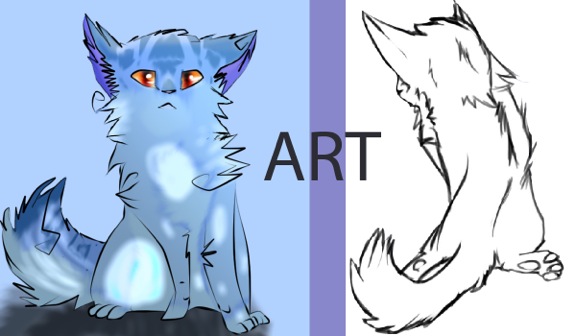
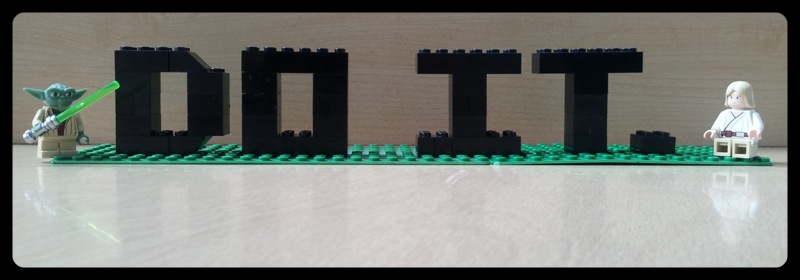
I also requested title art for webpages, and nine people (from five families) sent various types of things made of Lego; hiking finds and forest bits; photo; paint; pen; and pen-and-computer art. The collection is *here*, and you can follow links to that art in use on the pages for which it was created.
That was all pretty fun and I'll probably do it again next September.
The other matter for which I am grateful is that my youngest of three, Holly Dodd, will turn 21 on November 2, 2011. My three children have grown to adulthood. I know that not all parents are as fortunate, and I know many things could have gone differently. We can't control or contain the world, but we can appreciate the joys that come.


Some people see experienced unschoolers ("experienced" meaning in this context people who have done it well and effortlessly for years, who aren't afraid anymore, who have seen inspiring results) mention classes, and they think "Ah, well if the experienced unschoolers' kids take classes, then classes are good/necessary/no problem."
But if beginners don't go through a phase in which they REALLY focus on seeing learning outside of academic formalities, they will not be able to see around academics. If you turn away from the academics and truly, really, calmly and fully believe that there is a world that doesn't revolve around or even require or even benefit from academic traditions, *then* after a while you can see academics (research into education, or classes, or college) from another perspective.

SandraDodd.com/connections/example
photo by Sandra Dodd, of the Rio Chama near Abiquiu
SandraDodd.com/deschooling
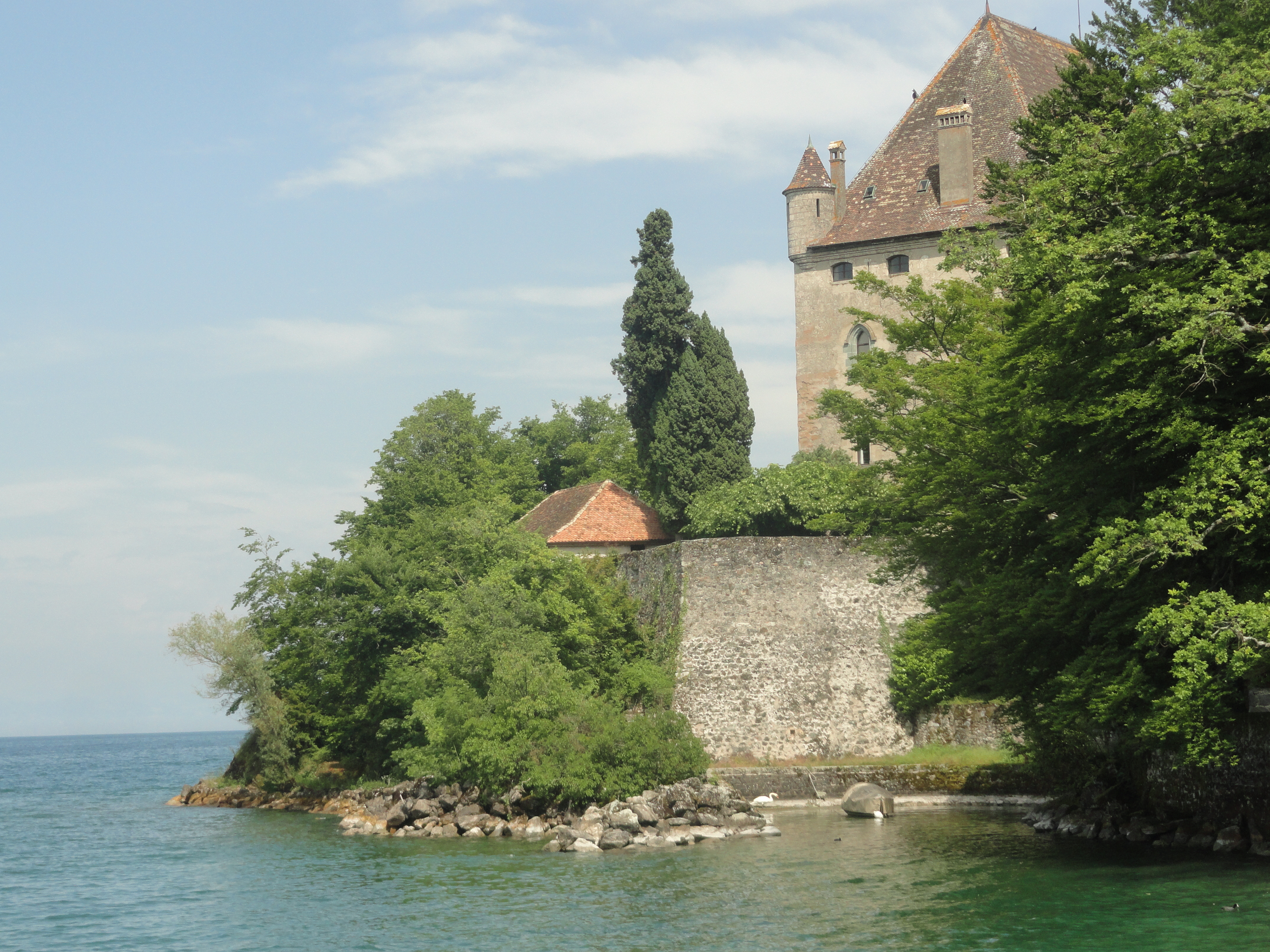
photo by Sandra Dodd
Yvoire, on Lake Geneva

As they got older, and war games, movies about history, and international celebrities came over their intellectual horizon, so did trivia about the borders of countries.
What's with Tibet? Taiwan? When did Italy and France settle into their current borders? Why does Monaco have royalty? The Vatican really has cash machines in Latin? What's the difference between UK and Great Britain? Is Mexico in north or central America? Were Americans REALLY that afraid of and ignorant about the Soviet Union in the 60's?
In answering those questions, the terms and trivia of history, geography, philosophy, religion and political science come out. The words are immediately useful, and tied to ideas and pictures and knowledge the child has already absorbed, awaiting just the name, or the definitions, or the categories.

When I'm reading a book, I decide by the moment whether to keep reading or to stop.
Even writing this post, I could easily click out of it and not finish, or I could finish it and decide not to post it. Choices, choices, choices.
Life is full of decisions.
How might a parent act on a really busy day?
If the mom learns and then demonstrates that giving can make a person feel happy, *then* she might have children who are also generous and kind. If the mom acts pouty and whiney and martyrly, she will have children who are confused and needy and resentful.

If a parent has found something that works for their family without understanding why it worked and how much personality played in it, then for others it's little better than rolling dice and picking some technique at random.

A collection of bad ideas: "Support"
A collection of good ideas: my Joyce page
The quote was found and shared on facebook by Allison Hollis Batey. I fixed up its home page after she quoted it. Thanks, Allison!


Sometimes teens need a LOT of reassurance. So just keep showing him your confidence in him at the same time that you understand and sympathize with his fears. It is sometimes harder on our unschooled kids at this age than their schooled counterparts because our kids are entering adulthood eyes wide open—they "get it" that they are moving into adult responsibilities, etc., and they are (justifiably) sometimes freaked out by it all. The schooled kids more often don't really grasp what's coming—they're just following orders, going through the expected motions. Our unschooled kids are thinking—and their thoughts can be overwhelming and scary and they can easily feel inadequate to face the future.

SandraDodd.com/teen/angst
photo by Sandra Dodd
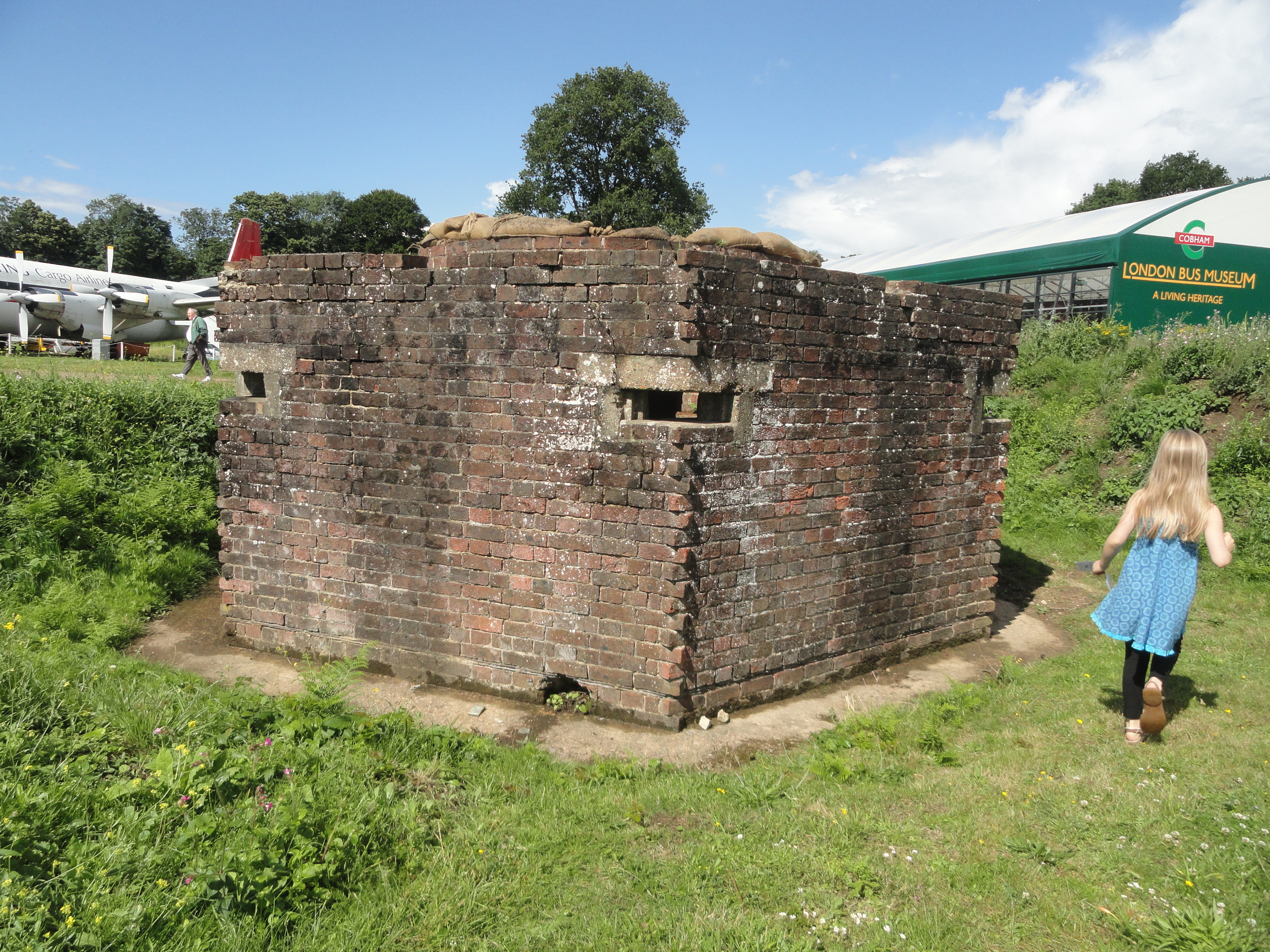
of directional signals
on a retired London bus
Part of the integrity of some of the young adult and teen unschoolers I know comes from their having grown up relatively undamaged. They have a wholeness most young people are never allowed to have, or which is destroyed by the realities of school's grading system and its too-glorified "socialization."
My then-six-year-old once, when we were chatting to a priest friend over coffee, gave a quote from Shakespeare. The priest said he was impressed by our homeschool curriculum and a six year old knowing Shakespeare. I said so was I, since we didn't have a curriculum, and I wondered how my son knew the quote. I asked. "From reading Asterix comics" was his answer!
Until a person stops doing the things that keep unschooling from working,
unschooling can't begin to work.


