Showing posts sorted by relevance for query eating/choices. Sort by date Show all posts

Sunday, July 3, 2022

Peace and love and food

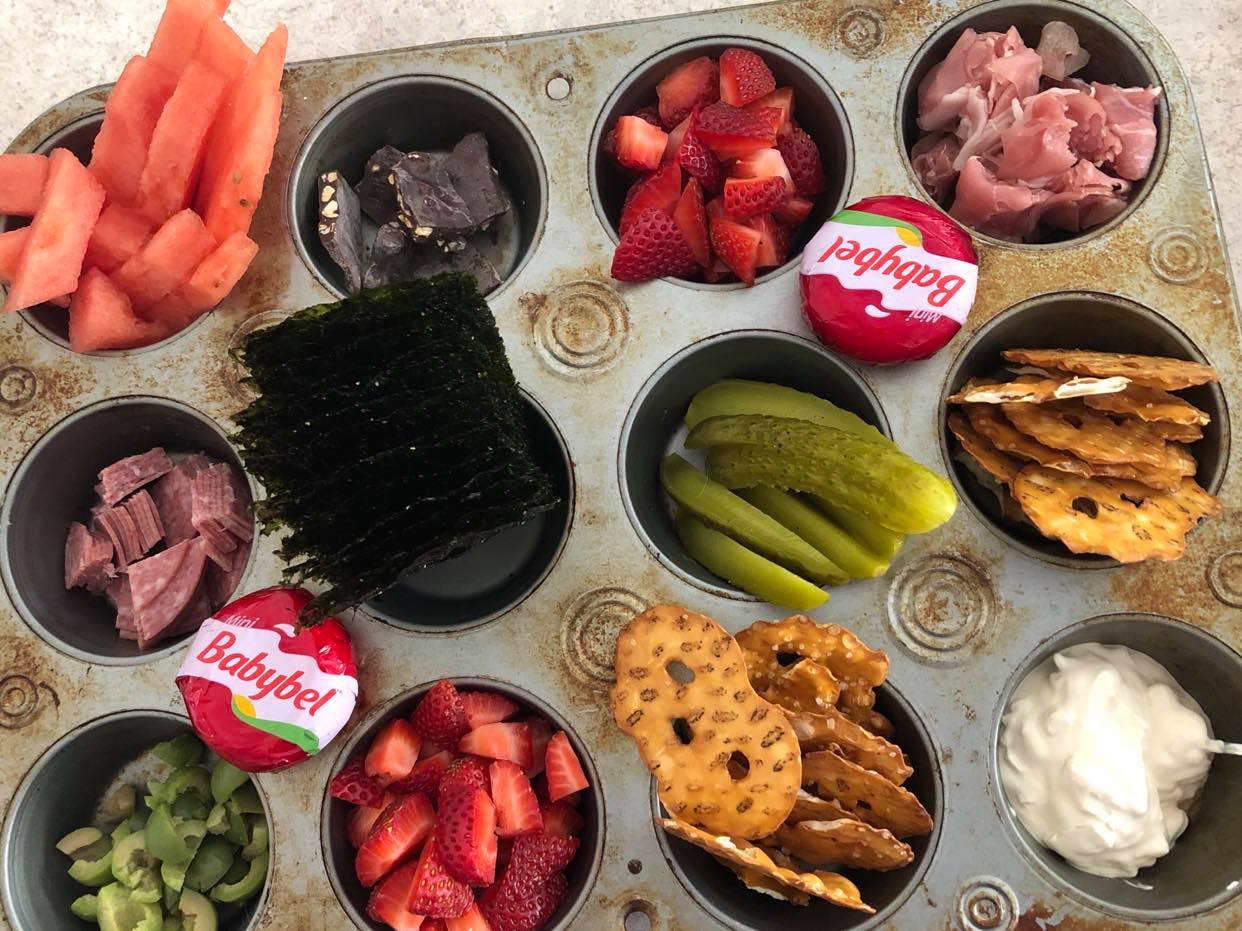
Without choices, they can't make choices. Without choices they can't make good choices OR bad choices. In too many people's minds, "good" is eating what parents say when parents say (where and how and why parents say). That doesn't promote thought, self awareness, good judgment or any other good thing.

Food is for health and sustenance. Eating with other people can be a social situation, ranging (on the good end) from ceremonial to obligatory to courtesy. There's no sense making it hostile or punitive.


Food Choices (and lots of them)
SandraDodd.com/eating/idea
photo by Sarah S.

Tuesday, April 9, 2013

Children reach for food

Because of La Leche League and natural weaning, and the idea that children will reach for food when they want some, so you don't have to schedule and spoon it into them, it was easy for me to see the smallest seedling-root beginnings of how our culture creates the eating disorders they bemoan. Letting kids decide what THEY think is good and bad, instead of labelling things good and bad in advance for them, allows a child to think spinach is wonderful but donuts are kinda yucky.

Without choices, they can't make choices. Without choices they can't make good choices OR bad choices. In too many people's minds, "good" is eating what parents say when parents say (where and how and why parents say). That doesn't promote thought, self awareness, good judgment or any other good thing.

Food is for health and sustenance. Eating with other people can be a social situation, ranging (on the good end) from ceremonial to obligatory to courtesy. There's no sense making it hostile or punitive.

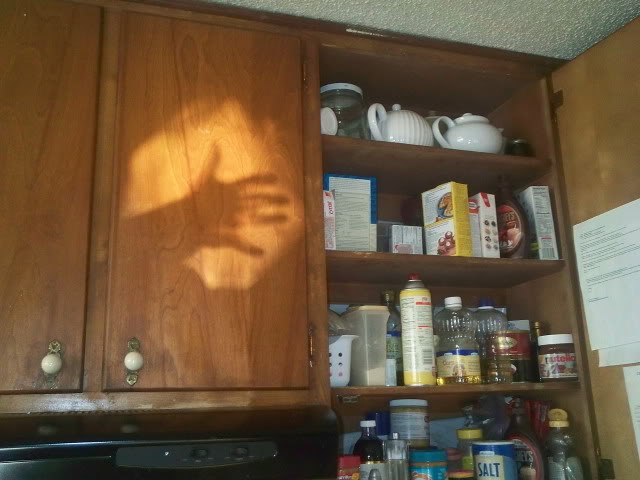
SandraDodd.com/foodproblems
photo by Sandra Dodd

Thursday, December 2, 2010

Food Freedoms


Because of La Leche League and natural weaning, and the idea that children will reach for food when they want some, so you don't have to schedule and spoon it into them, it was easy for me to see the smallest seedling-root beginnings of how our culture creates the eating disorders they bemoan. Letting kids decide what THEY think is good and bad, instead of labelling things good and bad in advance for them, allows a child to think spinach is wonderful but donuts are kinda yucky.

Without choices, they can't make choices. Without choices they can't make good choices OR bad choices. In too many people's minds, "good" is eating what parents say when parents say (where and how and why parents say). That doesn't promote thought, self awareness, good judgment or any other good thing.

SandraDodd.com/eating/idea
Image by Holly and Sandra

Wednesday, November 15, 2023

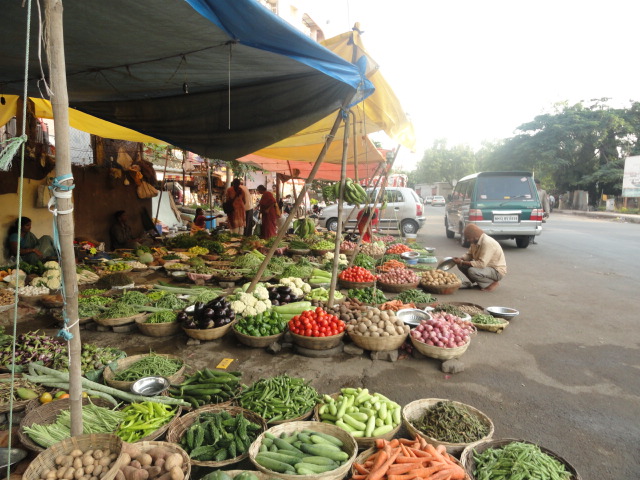
A variety of good things


Without choices, they can't make choices. Without choices they can't make good choices OR bad choices. In too many people's minds, "good" is eating what parents say when parents say (where and how and why parents say). That doesn't promote thought, self awareness, good judgment or any other good thing.

Food Choices (and lots of them)
SandraDodd.com/eating/idea
photo by Sandra Dodd, in Pune, in India

Wednesday, January 16, 2019

Clear good sense


A mom wrote:

My children (11 and 7) have eaten more sweets than if I had controlled and restricted them, but our relationship wouldn't have been as sweet, and they would have had stress and longing, sneaking and guilt, and none of that would have been healthy. They wouldn't have had a good sense of what they feel like eating, and what they don't. Those internal senses don't come through clearly, when you're pressured and shamed and stressed.
—Cathy Choo
(in a comment here)

Similar: SandraDodd.com/eating/choices
photo by Sandra Kardaras-Flick

Monday, March 5, 2012

"Finish what you start." NO, wait...

Once someone wrote in an unschooling discussion:
"I just have one concern. I want my children to finish what they start."
I responded:

If you start a book and decide you don't like it, will you finish it?
If you start eating a dozen donuts, and after you're not in the mood for donuts anymore, will you finish the dozen?
If you start an evening out with a guy and he irritates or frightens you, will you stay for five more hours to finish what you started?
If you put a DVD in and it turns out to be Kevin Costner and you don't like Kevin Costner, will you finish it anyway?

The only things that should be finished
are those things that seem worthwhile to do.

When I'm reading a book, I decide by the moment whether to keep reading or to stop.

Even writing this post, I could easily click out of it and not finish, or I could finish it and decide not to post it. Choices, choices, choices.

Wanting your children to learn to ignore their own judgment in favor of following a rule is not beneficial to them or to you. It will not help them learn.


SandraDodd.com/finishwhatyoustart
photo by Sandra Dodd
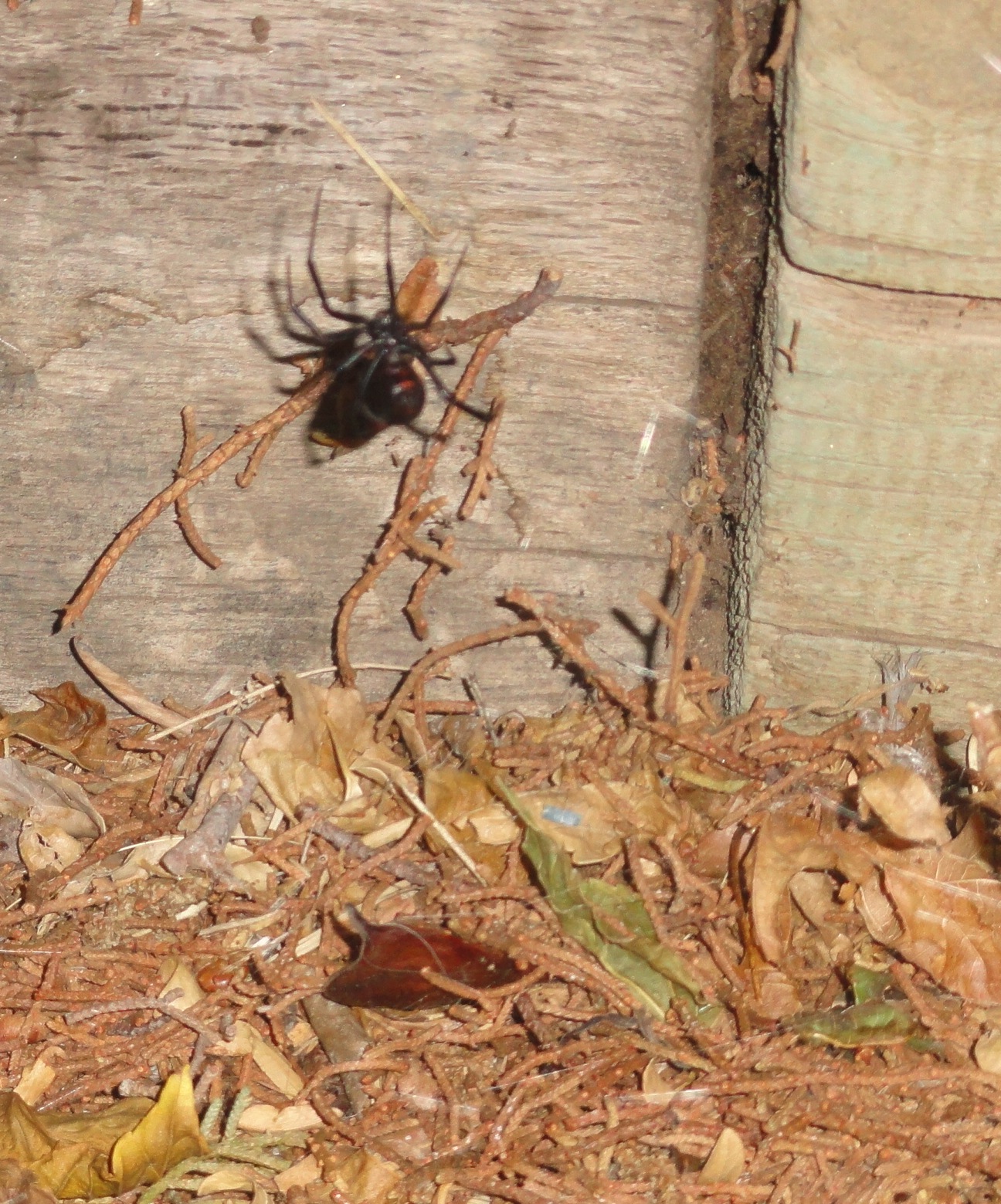
of a fat black widow in the back yard (and its shadow)

Monday, September 12, 2011

Natural Balance

If you limit it, they will want more.
If you "unlimit" it they will fill up and be done.

They can only make their own choices if they're allowed to make their own choices.
I don't think balance will come from limitations as well as some people wish it would.

I had a niece not allowed to eat sugar at all. NOTHING with sugar. A little hippie kid in the late 1960's, early 1970's.

She came to stay with us for a few days when she was six. We were keeping to her mom's rules about sugar.

We found her in the field, squatted over a 5-lb. bag of sugar, eating it with both hands like a monkey, as fast as she could before she'd get caught.

That wasn't balance.

Or maybe it was. It was the balance of all her deprivation.

My kids have come to their own balance with food, TV, activities, sleep, because they're allowed to make their own choices.


The quote is from an online discussion in August, 2001, ten years ago. The story of the sugar was when I was 22 and in my first marriage, long before I had children with Keith.

A related link is SandraDodd.com/balance
photo by Sandra Dodd

Monday, May 1, 2023

Everything changes

In a discussion, someone challenged the idea of kids have options even about what they wanted to eat, and how. She wrote:
"Eating decisions"?

I picked it up and set it down just a little way from there with this response:
Choices. If ALL of that is changed to a model in which there is food, and people make choices—lots of small choices, not big "decisions"—a hundred hard problems disappear.

In one small moment, if a child can pick up a food or not; smell it or not; taste it or not; keep that bite and chew and swallow, or spit it out; take another bite or not; dip it in something or not; put another food with it or not—EVERYTHING changes.

SandraDodd.com/food.html
photo by Sarah S

Wednesday, March 4, 2026

Choosing food

The idea that one can learn to feel and know one's own body and choose foods accordingly is shocking to most people. I wouldn't have thought it sensible or possible, when I was younger, but having given my three children the option to turn down any food, and to try any food, to choose their own quantities of food has shown me a whole different aspect of human learning and instinct.

It should make sense. Early people wouldn't have continued to eat what wasn't good for them if they weren't starving. If they had options, they would have chosen the things that seemed (for whatever range of reasons they might be choosing) good. There are food taboos and preferences all over the world. Some are credited to religion or superstition. Some are medicinal. All were, originally, local.

In a situation in which there is an abundance of food shipped and traded all over the world, then how does one choose? This is what is coming to be called "a first-world problem." In terms of learning, though, in the context of the life of a family choosing unschooling and mindful parenting, the question is answered every time food is bought, presented, consumed or considered.

SandraDodd.com/eating/choices
photo by Sandra Dodd

Friday, May 3, 2019

Problems disappear


"Eating decisions"?

Choices. If ALL of that is changed to a model in which there is food, and people make choices—lots of small choices, not big "decisions"—a hundred hard problems disappear.

In one small moment, if a child can pick up a food or not; smell it or not; taste it or not; keep that bite and chew and swallow, or spit it out; take another bite or not; dip it in something or not; put another food with it or not—EVERYTHING changes.

SandraDodd.com/food.html
photo by Karen James

Saturday, May 4, 2013

Charlie eats an apple

Sarah Dickinson wrote:

I was looking at the photos on my phone tonight and found this (Jack must have taken it, hence the angle). It is Charlie (3) eating an apple in front of the telly right beside of a full pot of sweets. I thought it was a rather lovely illustration of the choices kids make when they have them, and I thought of you because they never would have had that choice without all your writing.
—Sarah Dickinson
SandraDodd.com/eating/apple.html
photo by Jack Dickinson

Thursday, May 16, 2019

Charlie eats an apple

Sarah Dickinson wrote:

I was looking at the photos on my phone tonight and found this (Jack must have taken it, hence the angle). It is Charlie (3) eating an apple in front of the telly right beside of a full pot of sweets. I thought it was a rather lovely illustration of the choices kids make when they have them, and I thought of you because they never would have had that choice without all your writing.
—Sarah Dickinson
SandraDodd.com/eating/apple.html
photo by Jack Dickinson

Wednesday, December 17, 2014

Not the same choices

Happy, supported, trusted kids don't make the same choices as unhappy, controlled kids.
—Joyce Fetteroll
small cheese balls shaped like pumpkins, in a store display
SandraDodd.com/eating/sugar
photo by Sandra Dodd

Friday, December 20, 2013

'Tis the Season for Sugar


"Children that truly have choices, won't feel the need to always choose the most sugary choice, or the choice that gets them away from home the fastest... They have access to it all, so they can make choices based on what they really want or need, not what is most limited in their lives."
—Ren Allen

SandraDodd.com/eating/sweets
photo by Sandra Dodd, and it's a link

Thursday, March 27, 2025

Not the same choices

Happy, supported, trusted kids don't make the same choices as unhappy, controlled kids.
—Joyce Fetteroll
small cheese balls shaped like pumpkins, in a store display
SandraDodd.com/eating/sugar
photo by Sandra Dodd

Sunday, December 17, 2023

When children have choices...

To set the scene, it was the week before Christmas, in Australia, years ago.

Jo Isaac wrote:

This morning Kai opened his advent calender, ate the chocolate, and then said 'Ugh. I'm so sick of eating all this chocolate! Please can I have a plate of cold food.' (It's *really* hot here today!) He's now saving his chocolates for when he wants them, and eating a plate of baby corn, cucumber and apple. 🙂
—Jo Isaac

True Tales of Kids Turning Down Sweets
photo by Susan May

Wednesday, November 20, 2024

Naturally sweet

Jo Isaac wrote:

[Benton] explores the evolutionary basis behind children's food choices—for example, babies and toddlers have an innate preference for sweet and salty flavours and avoid bitter and sour tastes. This is explained as reflecting an evolutionary background where sweetness predicts a source of energy, whereas bitterness predicts toxicity/poison.

He also discusses the evolutionary mechanisms that might explain why children avoid new foods (termed neophobia), particularly in toddlers. In our evolutionary past, avoiding new foods had survival value if it discouraged eating items that might have been poisonous, particularly at the stage when a child was beginning to walk. Benton stresses that "Parents need to understand that neophobia is normal."
—Jo Isaac
(PhD, Biology)

More here: SandraDodd.com/eating/research
photo by Cátia Maciel

Saturday, November 27, 2010

Choosing to make choices

In response to someone talking about her children self regulating, I wrote:
"Self regulate" means to make a rule and then follow it yourself. They're not self regulating. They're making choices. It's different. It's better!
My friend Bela sent me the following story, which has a good description of mindful living:
One zen student said, "My teacher is the best. He can go days without eating."

The second said, "My teacher has so much self control, he can go days without sleep."

The third said, "My teacher is so wise that he eats when he's hungry and sleeps when he's tired."

SandraDodd.com/control
photo by Holly Dodd

Friday, June 2, 2023

It's not about power

Once upon a time, a newer but enthusiastic unschooler came to a discussion explaining the "we" (all of us) should agree that unschooling was about power—power over oneself, and the power to decide what to learn and when (and more dramatic power-based rhetoric).

Some of my response is below, and near the photo credit is a link to the full post.
We don't talk about power here much, but we have given our children a life of choices. It's not "power," it's rational thinking, considering all sorts of factors and preferences. They don't need power over themselves. They need to BE themselves.
SandraDodd.com/being

"The power to decide what to learn" makes a pretzel of the straight line between experience and knowing.

My children don't "decide what to learn, how to learn, and when to learn it." They learn all the time. They learn from dreams, from eating, from walking, from singing, from conversations, from watching plants grow and storms roll. They learn from movies, books, websites, and asking questions.

Power over oneself, unschooling and "politics"
photo by Amy Milstein

Monday, January 11, 2016

Learning to listen

"Listen to your body" isn't the best description. There are ways to pay attention to bodily clues that our culture and language came to ignore and deny.


In response to someone talking about her children self regulating, I wrote:

"Self regulate" means to make a rule and then follow it yourself. They're not self regulating. They're making choices. It's different. It's better!


My friend Bela sent me the following story, which has a good description of mindful living:
One zen student said, "My teacher is the best. He can go days without eating."

The second said, "My teacher has so much self control, he can go days without sleep."

The third said, "My teacher is so wise that he eats when he's hungry and sleeps when he's tired."

My kids did that!
photo by Beth Lamb