Wednesday, July 15, 2015

La la la la, I'm not listening

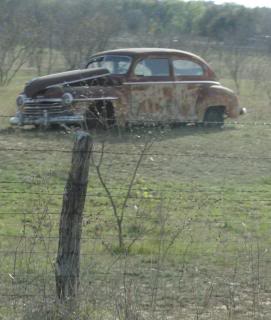
old rusty sedan in a field in Texas

Speaking or writing without thinking is a little like driving a car with a blindfold. Others get hurt, we get hurt, the car gets wrecked.

Speaking or writing without thinking is like operating a relationship with a blindfold, with ear plugs, going "LA LA LA LA, I DON'T HAVE TO LISTEN TO MYSELF!!" all the whole time.

How can one see her own child directly without hushing, pulling out the earplugs, and looking at him?

SandraDodd.com/ifilet
photo by Sandra Dodd

Tuesday, July 14, 2015

Straight, meandering, twisting

Pam Sorooshian wrote:

Instead of thinking there are real interests versus momentary ones (as if those momentary ones are not also real or true), our time and energy are better spent encouraging and supporting the interests that our kids actually do have.

Picture a large piece of paper with circles of all sizes drawn all over it. Each circle represents an interest. A kid moves from circle to circle—they are like stepping stones. The child creates his or her own path by moving from one stepping stone to another. Some are part of a path that goes straight to some ultimate goal or achievement, others are part of paths that meander and let the person have a variety of experiences. Some are part of paths that twist and turn. Sometimes the kid sits on one of them for a really long time. Sometimes the path leads away from the current interest to something seemingly unrelated. And so on.

Looking back, we can often see the path pretty clearly. But we can't look ahead and know what the path is going to be.
—Pam Sorooshian

SandraDodd.com/flitting
photo by Chrissy Florence

Monday, July 13, 2015

Lots of jobs you forgot about

Karen James:

I was a picture framer for ten years before we moved to the US. I loved that job. I got to frame so many objects, including a snowboard, a wedding dress and a gun from the US civil war—first time I had ever held any of those items in my hands. I got to handle and look up close on many wonderful works of art, and hear so many stories about why different things were meaningful to different people. Children's art was some of my favourite to frame.
—Karen James


This is just one of LOTS of stories on a page with a list of a couple of hundred jobs people can ease into by volunteering or on-the-job learning or by becoming certified while doing related work. Reading there will give you other ideas, and stories to tell, and friends to remember.

SandraDodd.com/jobs
foot-pedal self-portrait of Sandra and a quilt made by Lori Odhner,
and it's a link

Sunday, July 12, 2015

Busy and varied


(From a recorded interview you can read in transcription or listen to at the page below.)

So we find it to be really fun to discover things, but it’s easier to discover things when they are there to discover. Maybe strewing is a bit like hiding Easter eggs, but not to that extent. There just might be a couple or three things out and about. It’s like a conversation piece. It’s like putting out a pretty book on a coffee table, or an arrangement of flowers; it’s no more than that, only it’s more likely to be a puzzle. And although it’s incidental, that’s the core of my method (if you want to call it a method)—to just keep our lives so busy and so varied that incidental learning happens all the time.
—Sandra Dodd, 16 March 2004


SandraDodd.com/radiotranscript
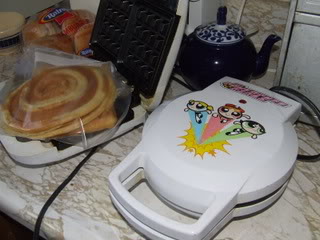
photo by Sandra Dodd, of two waffle irons at my house

Saturday, July 11, 2015

Help them navigate the world

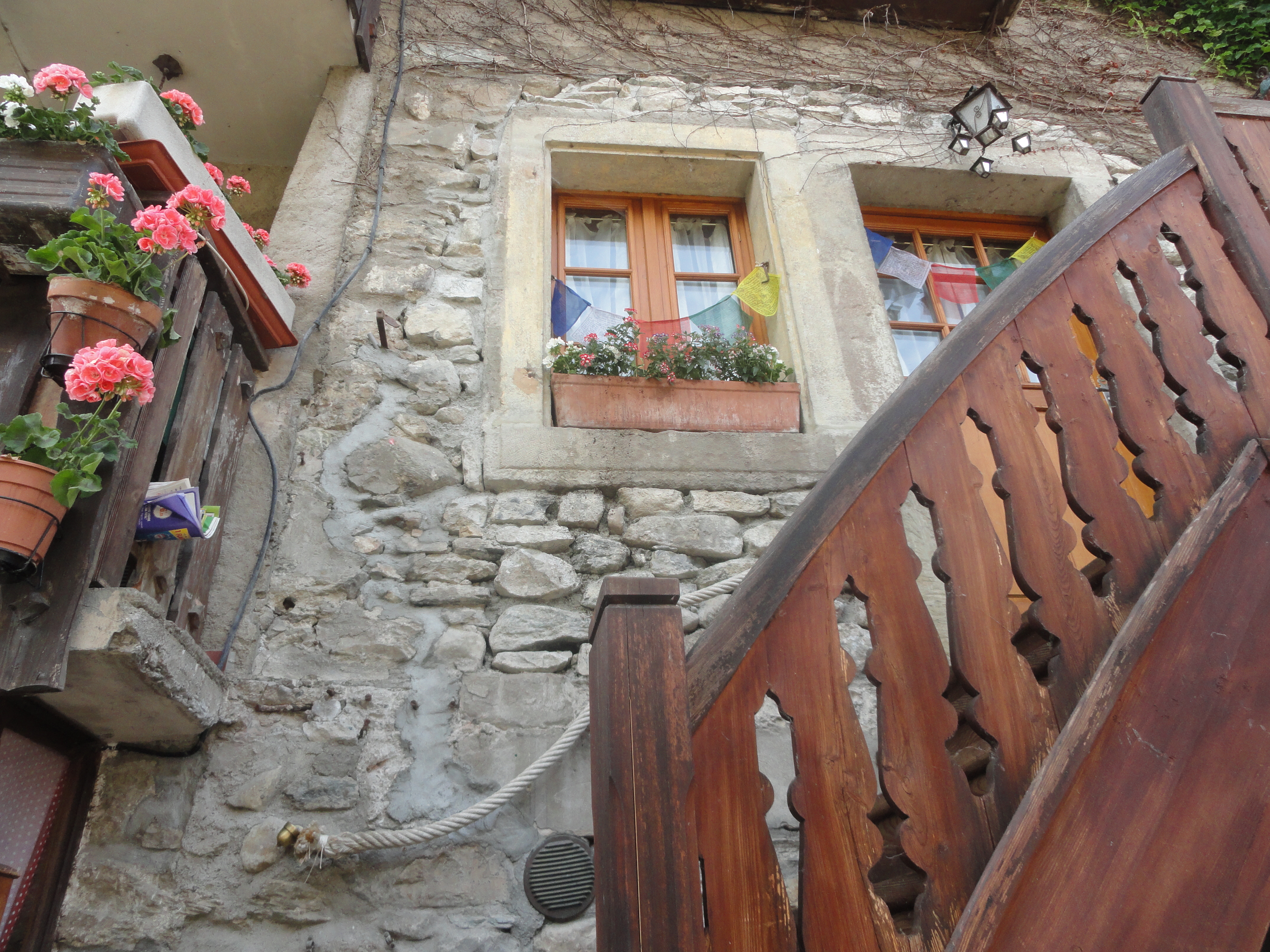
stone building with window boxes, and steep wooden staircase to a second-floor window, in a French town on Lake Geneva

Marta Pires wrote:

I could've easily been one of those moms who thought that saying anything to my child would be limiting her, and who could've been afraid of her daughter's sensitivity. I can see clearly now that they don't learn how to handle these situations simply from seeing us do things one way or another (although it's important, of course), but we need to give them information and find out the best way to do it, having our own child in mind. That's not damaging them or limiting them at all, quite the contrary—I think it's helping them navigate the world and become respectful, considerate, polite adults.

—Marta Pires

SandraDodd.com/coaching
photo by Sandra Dodd
Friday, July 10, 2015

Bases and basics

"Base" means foundational—the heavy, bottom part of a structure. The basis of an idea is its underlying solidity. These ideas are literally basic.


Base your life in basic things. "Cover your bases." Don't let fantasy or "what if" pull you off base.

Accept and admire beauty if you can, instead of dismissing things as "just..." Just a stump. Just a dandelion. Can you see the beauty in the stump? It might be a safe place to stand after a rain. To a child you love, it might be a chair or a mountain. Dandelions are flowers that make puff-toys for children to blow on. They grow without our help. They might be the only colorful flower you'll see, some days. If a child loves them, can you follow?

SandraDodd.com/wonder
photo by Sandra Dodd, of unimportant things, in Tiguex Park

Thursday, July 9, 2015

Clearer and better

Karen James wrote:

Be precise in the words you use to describe those you love, aim to support and care for. Be as generous as you can too. The clearer you see your child, the better you can respond to their needs. The better you learn to listen to them, see them, and be of useful service to them, the more they will have confidence in your ability to have their best interest in mind.
—Karen James

Karen James
photo by Sandra Dodd
Wednesday, July 8, 2015

Solid and reliable

Integrity is a strong wholeness. The fabric of the being of a thing can't be broken. A bucket with one hole in it is lacking integrity. It's not a good bucket. A frayed rope lacks integrity. No matter how long or strong the rest of the rope is, that frayed part keeps it from being a good rope.
. . . .
It's exactly why every person who hopes to have a positive influence on any other person needs to figure out how to find and maintain as much integrity as possible.

SandraDodd.com/integrity
photo by Sandra Dodd

Tuesday, July 7, 2015

Grapes for breakfast

A mom named Evie wrote:

Everything I've read about has really happened. The first couple of days, my youngest ate nothing but Twinkies and Spider-Man snacks. Then, amazingly enough, he got up the next morning and asked me for grapes for breakfast. You could have knocked me over with a feather! It truly didn't seem possible until I experienced it for myself.
—Evie


SandraDodd.com/eating/balance
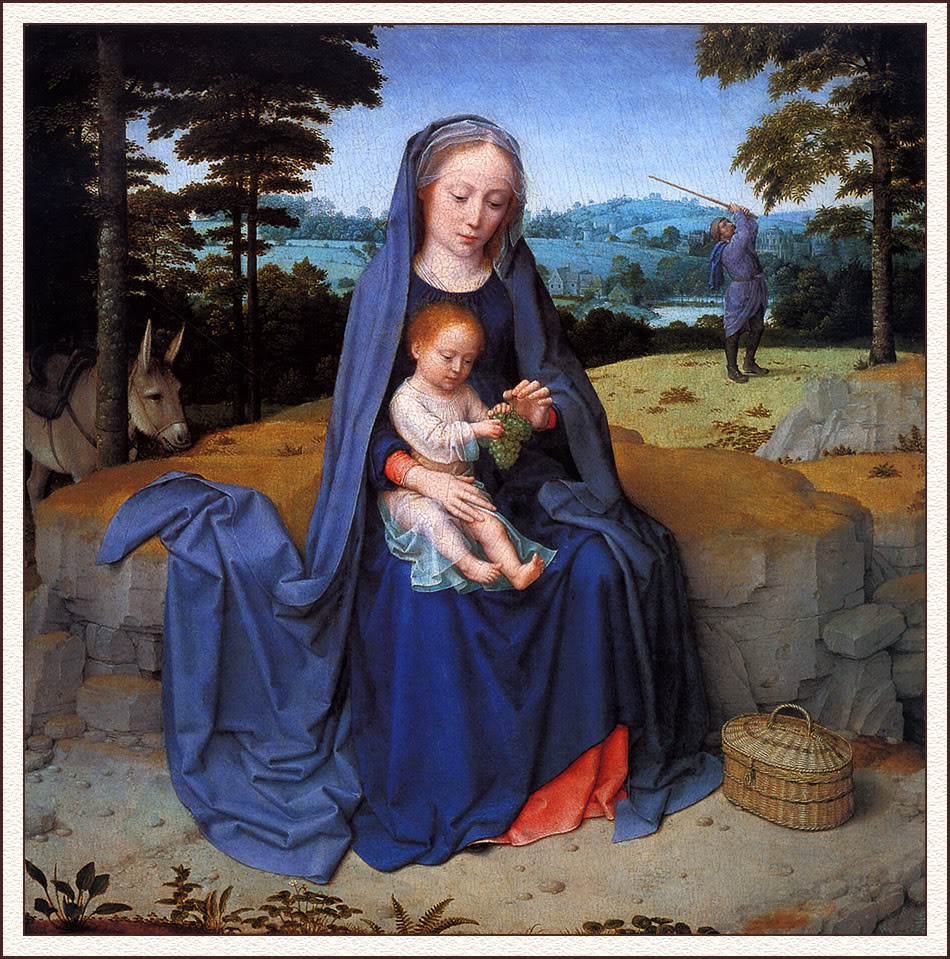
painting by Gerard David, long ago (and it's a link)

Monday, July 6, 2015

Limiting limitations

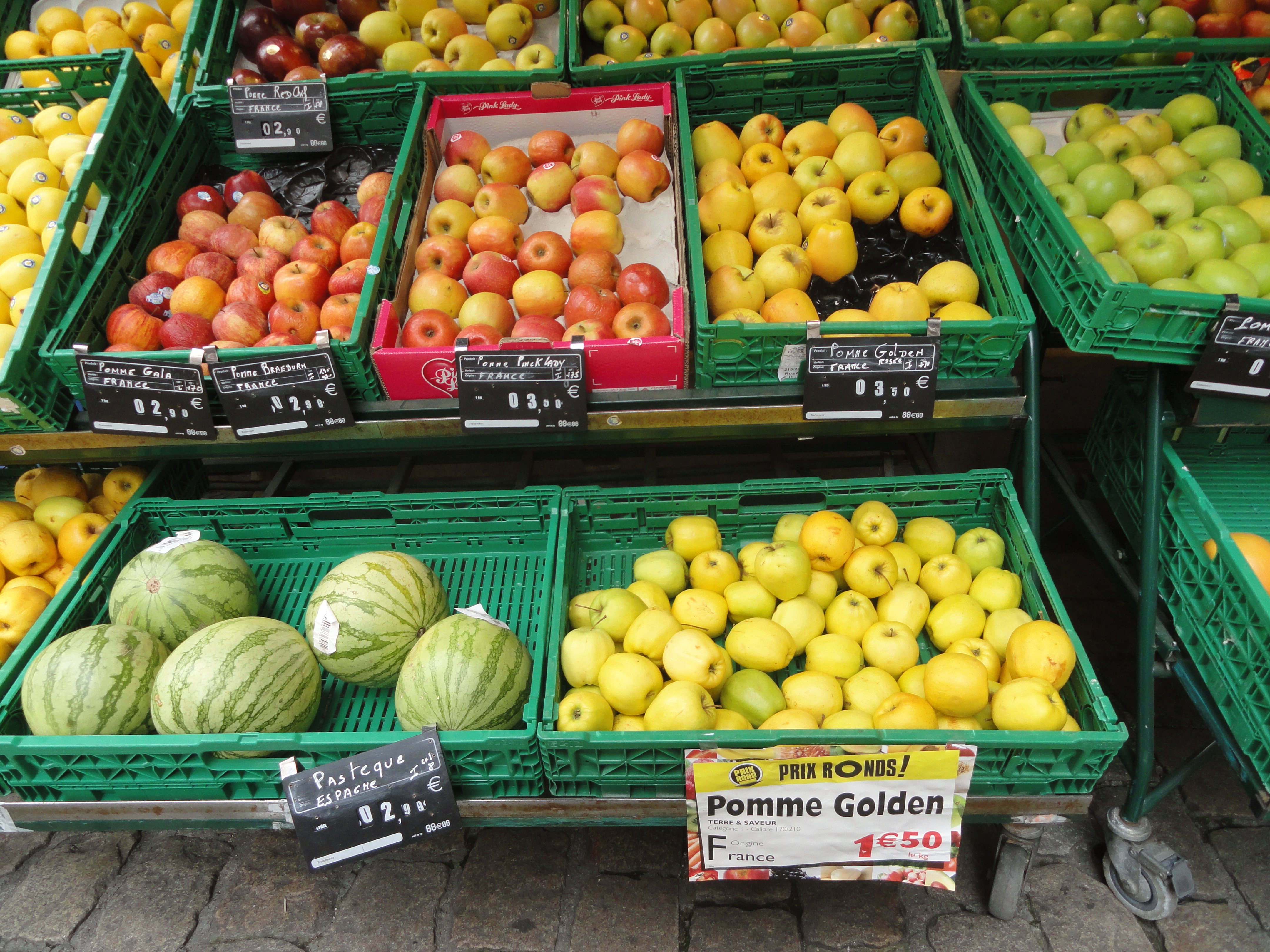
fruit display at an outdoor market

There are arbitrary limits that parents just make up, or copy from the neighbors. Then there are limits that have to do with laws, rules, courtesy, tact, circumstances, traditions and etiquette.

SandraDodd.com/coaching
photo by Sandra Dodd

Sunday, July 5, 2015

Something REALLY GOOD

When children's lives are opened up and and made peaceful, they might, if they're lucky, have the opportunity to discover some things that they consider to be REALLY GOOD, and have the opportunity to immerse themselves deeply and fully into that temporary experience without someone breaking that spell by saying "move around, listen to me, go to the bathroom."

The quote above should be read in context here:
SandraDodd.com/zombies

about children's interests: Focus
photo by Holly Dodd

Saturday, July 4, 2015

Gone in no time


"We always have ice cream in the freezer—he rarely eats it, but an apple or watermelon will be gone in no time."


A mom named Kris wrote that ten years ago, of a child who is probably grown now.

SandraDodd.com/eating/sweets
photo by Sandra Dodd, taken from a distance,
of watermelons now long gone

Friday, July 3, 2015

Help them explore

"Children will flourish if their needs are joyfully met as they explore the world. Creatively support your child in what he's genuinely interested in."
—Debbie Regan

SandraDodd.com/teaching/problem
photo by Sandra Dodd
Thursday, July 2, 2015

Free of (some) sorrows


It can be healing for parents to think back to their own sorrows and then to their own children's freedom from those experiences.

SandraDodd.com/freedom/from (What unschooled children will not know)
photo by Sandra Dodd
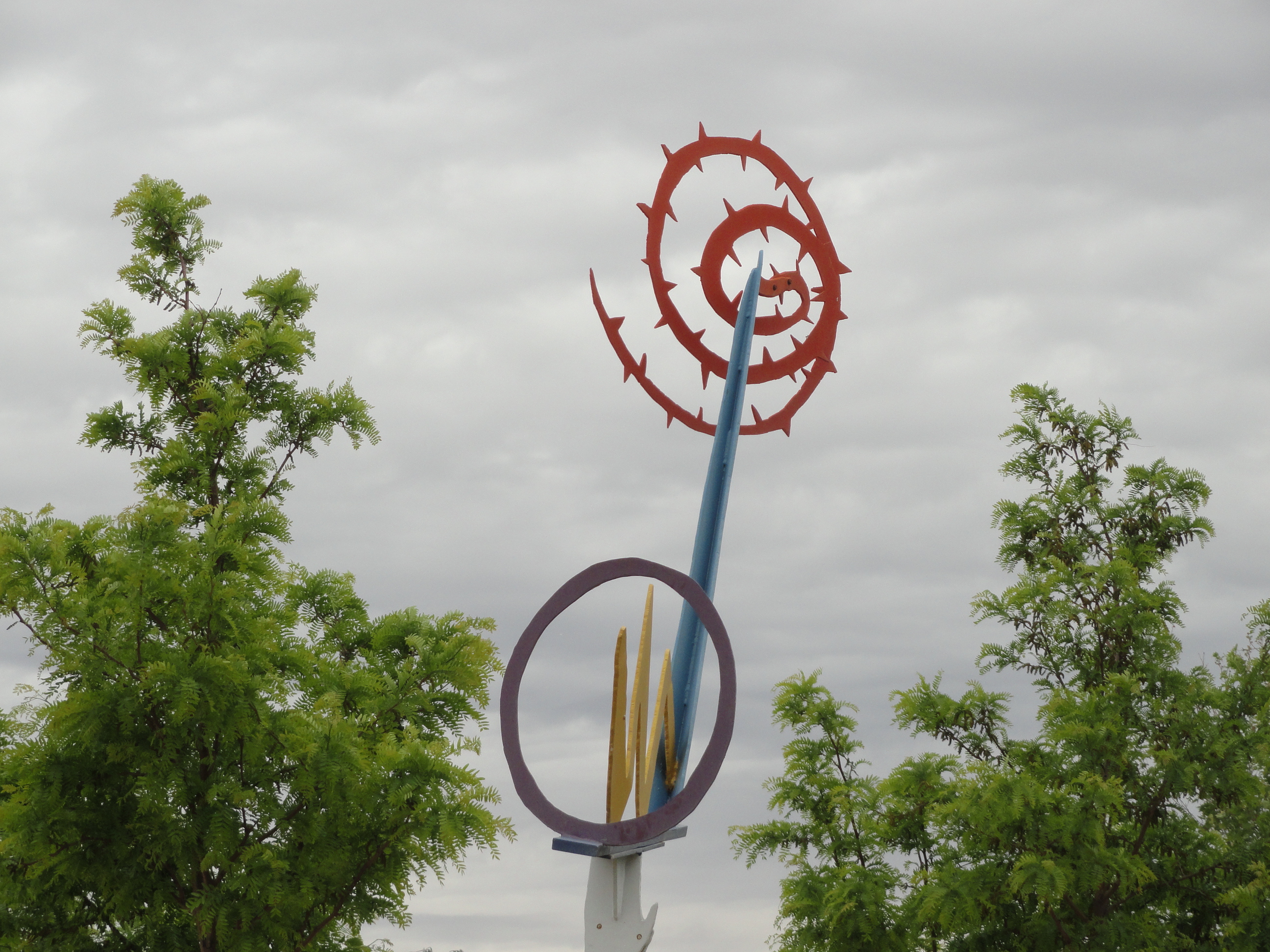
of a sculpture in Old Town
Albuquerque

Wednesday, July 1, 2015

Weights and measures

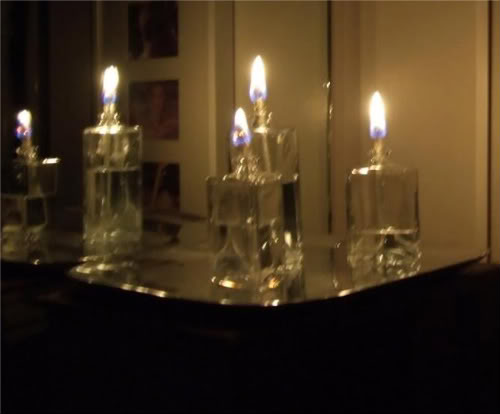
five glass oil lamps, lit, in a dark room

In an attempt to "be fair," parents can be very UNfair. Children don't all need the same things for the same amount of time. Measuring with rulers and timers and charts is often shortchanging one child or another. What they could use more than that is the opportunity to decide when they're finished for their own reasons.

SandraDodd.com/sharing
photo by Sandra Dodd

Tuesday, June 30, 2015

Dance around; save the world


by Deb Lewis, once upon a time:

I wrote once before about how dish washing has come to be my mental health moment. I light a candle, I make some tea or pour a glass of wine, turn on some music, take off my shoes, and do just the dishes I want to do. I use dish soap that smells great—LOVE that hot water...sigh. I never start out feeling like I *have to* do *all* the dishes. I think how I want to have clean dishes and do however many I feel like doing. I dance around a little. I plan my garden. I save the world. It's never just about doing dishes.
—Deb Lewis

Feeling "taken advantage of"
mostly-unrelated photo by Deb Lewis

Monday, June 29, 2015

Next week, next year, next century

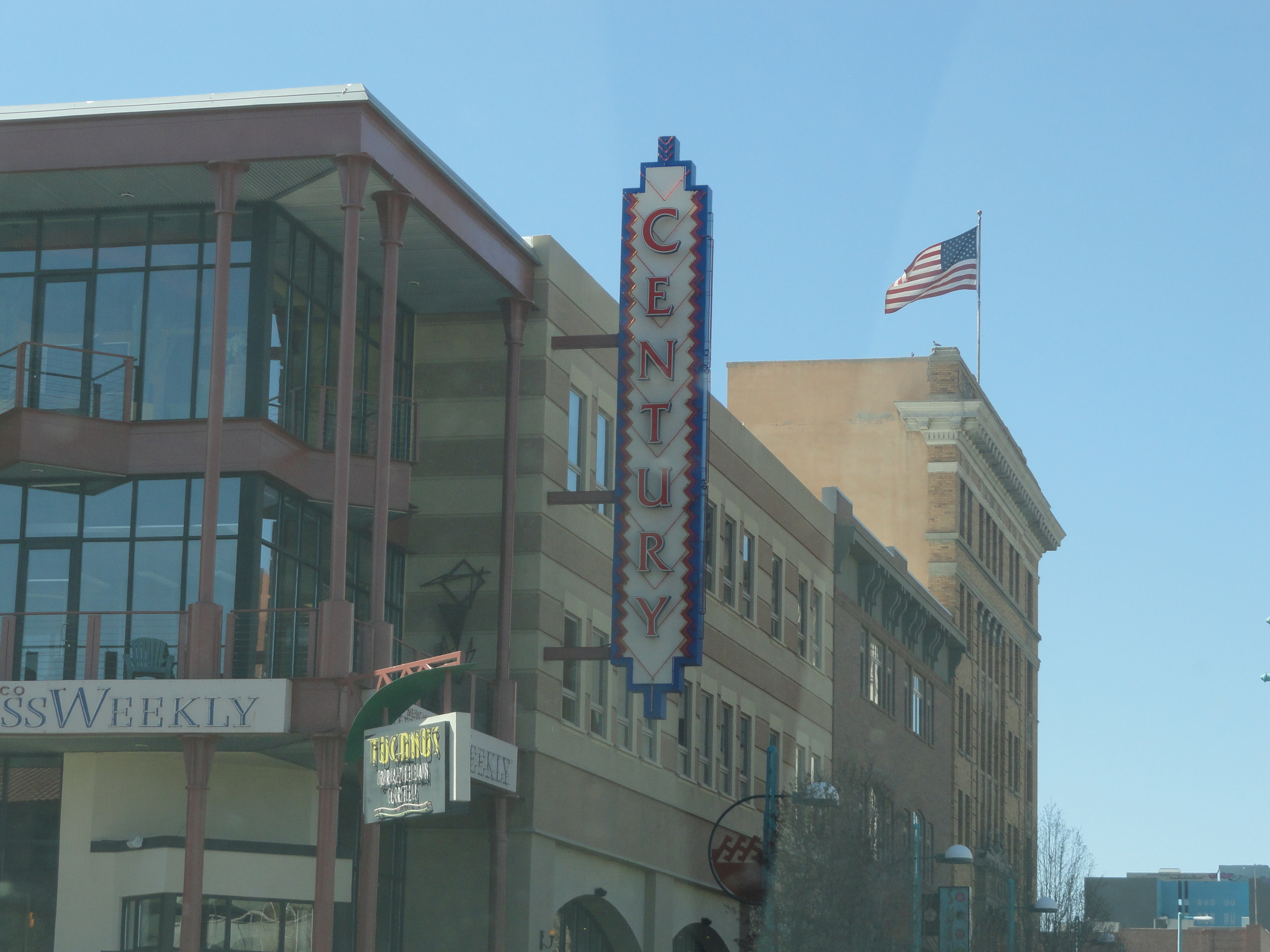
early 20th century downtown building with early 20th century theater added on

People DO think of next week. They think of last week. But they're doing their thinking from inside their present selves.

Balance depends on the fulcrum. Be solid. Be grounded.
Be whole, and be here.

SandraDodd.com/peace/becoming
photo by Sandra Dodd
Sunday, June 28, 2015

The surest path

Leah Rose wrote:

Learning to parent mindfully, keeping my focus in the present, making choices towards peace, towards help and support, is not, as it turns out, much of a gamble or a risk. It is the surest path to connection and trust.
—Leah Rose


SandraDodd.com/later/unschooling.html
photo by Julie D

Saturday, June 27, 2015

Living with the truth


Response to someone who wanted reassurance that unschooling would create success:

I can't guarantee anything for anyone else, nor for my own family. I know what does damage, and I know what might help.
. . . .

Every second of every day things happen or don't happen and there are consequences.

I would say if you don't want to gamble, don't unschool, but the truth is that everything else is a gamble too.


SandraDodd.com/guarantee
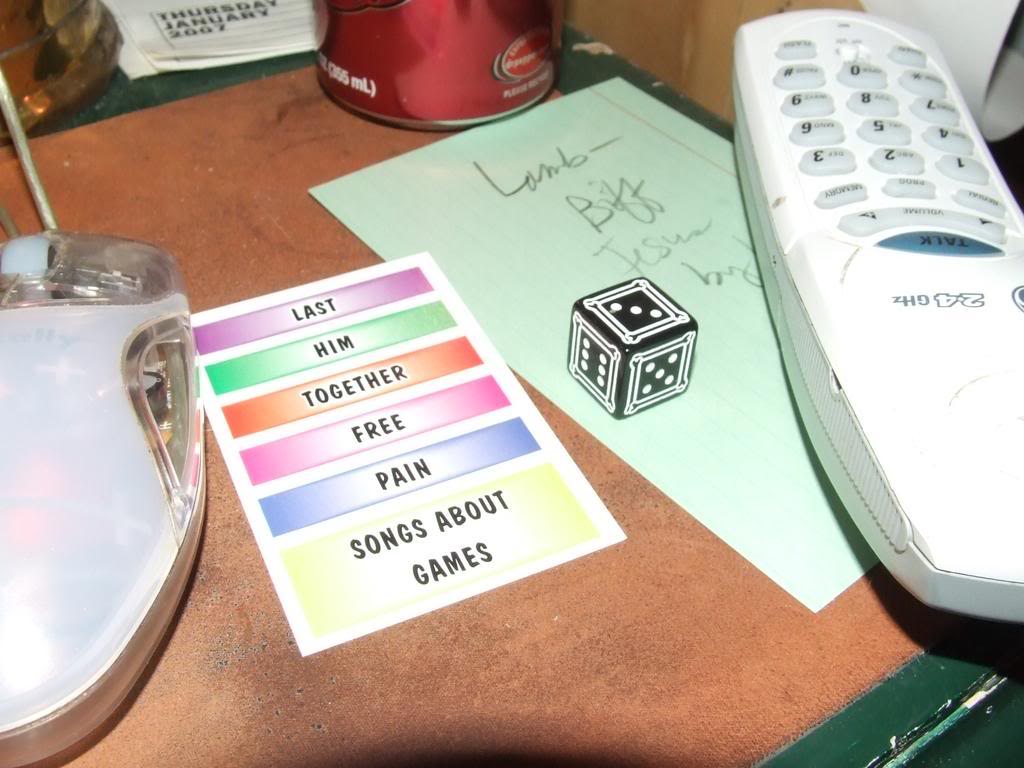
photo by Sandra Dodd, left over from playing a board game online—
click to enlarge it for candid desk details

Friday, June 26, 2015

Amazing life

Just live life amazed.
—Joyce Fetteroll
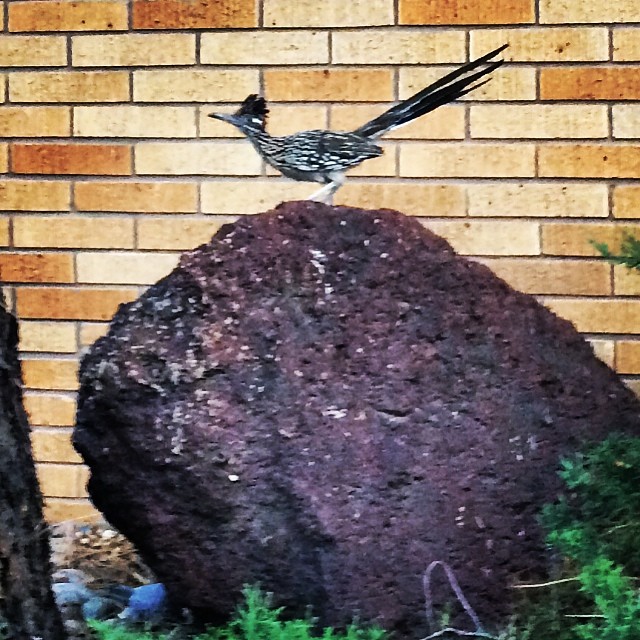
roadrunner on a big laval rock, against a brick wall
SandraDodd.com/discovery
photo by Lisa Jonick

Thursday, June 25, 2015

Angels and devils

In my lifetime, every part of a hamburger and every part of pizza has been considered good, or terrible; will-kill-you or the best part of it. Even the grease has been reviled and then redeemed.


SandraDodd.com/error
photo by Sandra Dodd

Wednesday, June 24, 2015

Safe and happy—how?


Eva Witsel wrote:

I can spend my energy on limiting my child's world so that he will be safe and happy or I can spend my energy on helping my child learn the skills to navigate our world himself so that he will be safe and happy. I think the latter has a better chance of success in the long term.
—Eva Witsel


SandraDodd.com/energy
photo by Sandra Dodd
(color photo, in daytime,
though it's spookily dark)

Tuesday, June 23, 2015

Huge and wonderful choice

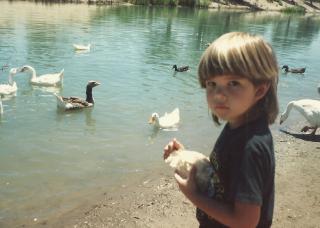
little Kirby feeding ducks at Tingley Beach in Albuquerque

Robyn Coburn wrote:

Intentions matter. Guidance offered from the place of partnership and trust has a different feeling, avoids rebellion, and is just plain less focused on the trivial. Guidance means optional acceptance instead of mandatory compliance. Guidance means parents being safety nets, not trap doors or examiners. Guidance facilitates mindfulness. Directives shut it down, and may even foster resentment instead.

The idea of Unschooling is for parents to be the facilitators of options, the openers of doors, the creators of environments of freedom, and the guardians of choice, not the installers of roadblocks and barriers. Unschoolers are making the huge and wonderful choice to renounce our legal entitlements to be the authoritarian controllers of our children's lives, and instead choose to be their partners.
—Robyn Coburn

SandraDodd.com/choicerobyn
photo by Sandra Dodd, of a long-ago Kirby

Monday, June 22, 2015

Pleasantly surprised


I was asked:

Did your kids have rules like bedtimes, no candy before dinner ... that sort of thing?

I wrote:

We didn't have those rules, but our kids went to bed every night and didn't eat candy before dinner. It seems crazy to people who believe that the only options are rules or chaos, but our children slept when they were sleepy, and ate when they were hungry (or when something smelled really good, or others were eating), and I was pleasantly surprised to learn that they were able to know what their bodies needed. I grew up by the clock, up at 6:30, eat quickly, bus stop, school, wait until lunch, eat, wait until dinner, go to bed. I had no idea that sleep and food could be separated from a schedule like that, but they can be.

Not so crazy after all
photo by Sandra Dodd

Sunday, June 21, 2015

Cursive or joined-up writing


Here is a topic that doesn't apply to everyone. Nice!

"But cursive is faster," you might think or say. That's what John Holt thought. He thought it because that was the justification given to him as a child when people taught cursive (though he was old enough to have used fountain pens not just for fun).

In his book Learning All the Time, John Holt tells of having taught fifth grade and having explained to them what he "knew" about cursive writing. But three of those ten- and eleven-year-old children could print faster than the teacher could write in cursive. They raced. They timed it more than once. He discovered he was the fourth fastest writer in the room.

SandraDodd.com/cursive
Brits use the term "joined-up writing" and theirs is a connected sort of italic script. Canadians use "manuscript writing", I think. Americans use "cursive."

Saturday, June 20, 2015

More, and much more

Unschooling is more than just the absence of school. As we change, our perceptions change, and the perceptions of others toward us changes.

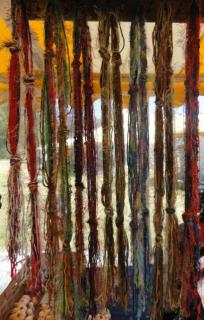
hand-spun and died yarn, hanging for sale at an outdoor fair

How Unschooling Changes People
photo by Sandra Dodd

Friday, June 19, 2015

Beyond normal


Being a good parent, not according to a list in a magazine, or vague memories of what grandparents might have thought or said, but being a good parent in the eyes of one's children, in one's examined soul, is a big thing most parents never even see a glimpse of.

We can go beyond normal.

SandraDodd.com/peace/becoming
photo by Janine Davies

Thursday, June 18, 2015

Unschooling, Time and Energy

Someone asked:
Is Unschooling Exhausting?
My first thought is "compared to what?"
Is unschooling more exhausting than having a child in school?
Is unschooling more exhausting than doing school at home?

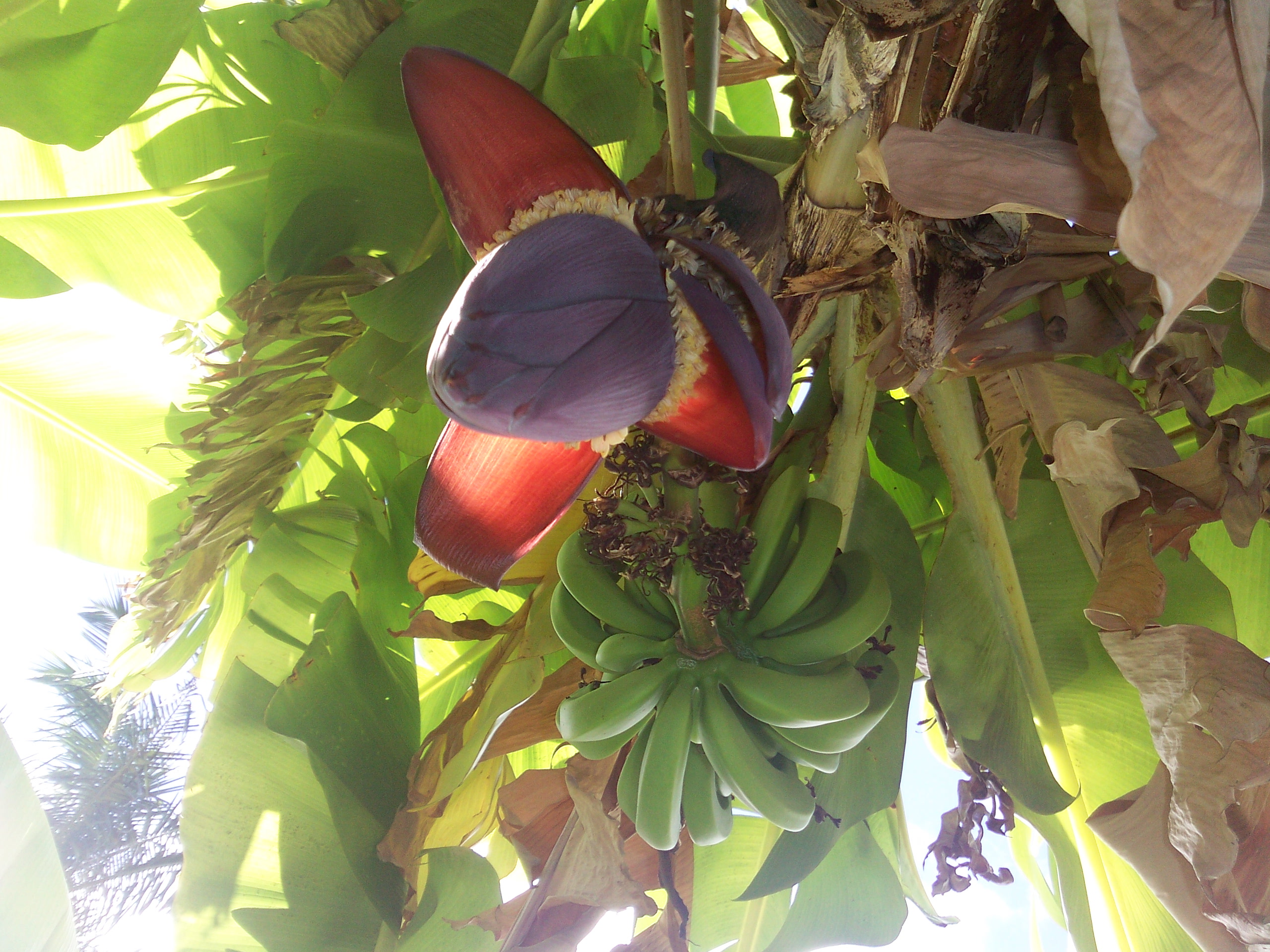
close-up of a banana  blossom I discovered by accident when I stopped to rest in a shade, on Maui

SandraDodd.com/unschoolingtime
photo by Sandra Dodd

Wednesday, June 17, 2015

Every word

If you think of every word you use, you won't be able to berate yourself with the voices of others.... Everyone has those little loops of voice in their heads. You can "simply accept" that or you can decide on a case by case basis which ones to keep until you die and which ones to start talking back to.

If you use language without careful examination, you won't be speaking mindfully. School-style responses and reports involve parroting back, sounding confident, using the right buzzwords. But to be truly original and thoughtful, each word needs to be the one one really meant to use. It's a different kind of thinking.

SandraDodd.com/skepticism
photo by Sandra Dodd, of birds outside Schuyler's house

Tuesday, June 16, 2015

I can hear the bells

Rippy Dusseldorp wrote:

I don't really look to other mothers for validation on how I'm doing as a parent. I look to my children and my husband. If they are generally happy, relaxed, comfortable and engaged, I feel pretty good about how I'm doing....

If I see signs of frustration or stress or uneasiness in my family, there are alarm bells going off inside me telling me I need to be kinder, pay extra close attention, have more ideas, and offer more options.
—Rippy Dusseldorp

SandraDodd.com/stress
photo by Julie D


"I can Hear the Bells" is the name of a song from the musical Hairspray. Rippy was talking about alarm bells; that song references an electric school bell (in the movie version, anyway). They seemed to match a bit.

Monday, June 15, 2015

Real learning

"Real learning, the kind of learning humans are hard wired to do, is about discovering connections between one thing and dozens of things. What those connections will have in common is interest."
—Joyce Fetteroll

Real Learning
photo by Sandra Dodd

Sunday, June 14, 2015

The world as a museum

popcorn wagon from horse-drawn days, red and gold, with glass windows
Be willing to be surprised where you are, to appreciate the unexpected, and to stop and notice something old or artsy.

What's familiar to you might be brand new to a child.

SandraDodd.com/learning
photo by Sandra Dodd