Wednesday, November 7, 2012

No Bad Days—and fewer bad moments

I had only been online a couple of years when someone on AOL wrote one of the best things ever, and it changed my life the moment I read it. She said she didn't think of a day as "bad," as she didn't want to condemn or write off a whole day. She said she would just think "I had a bad moment."


SandraDodd.com/badmoment
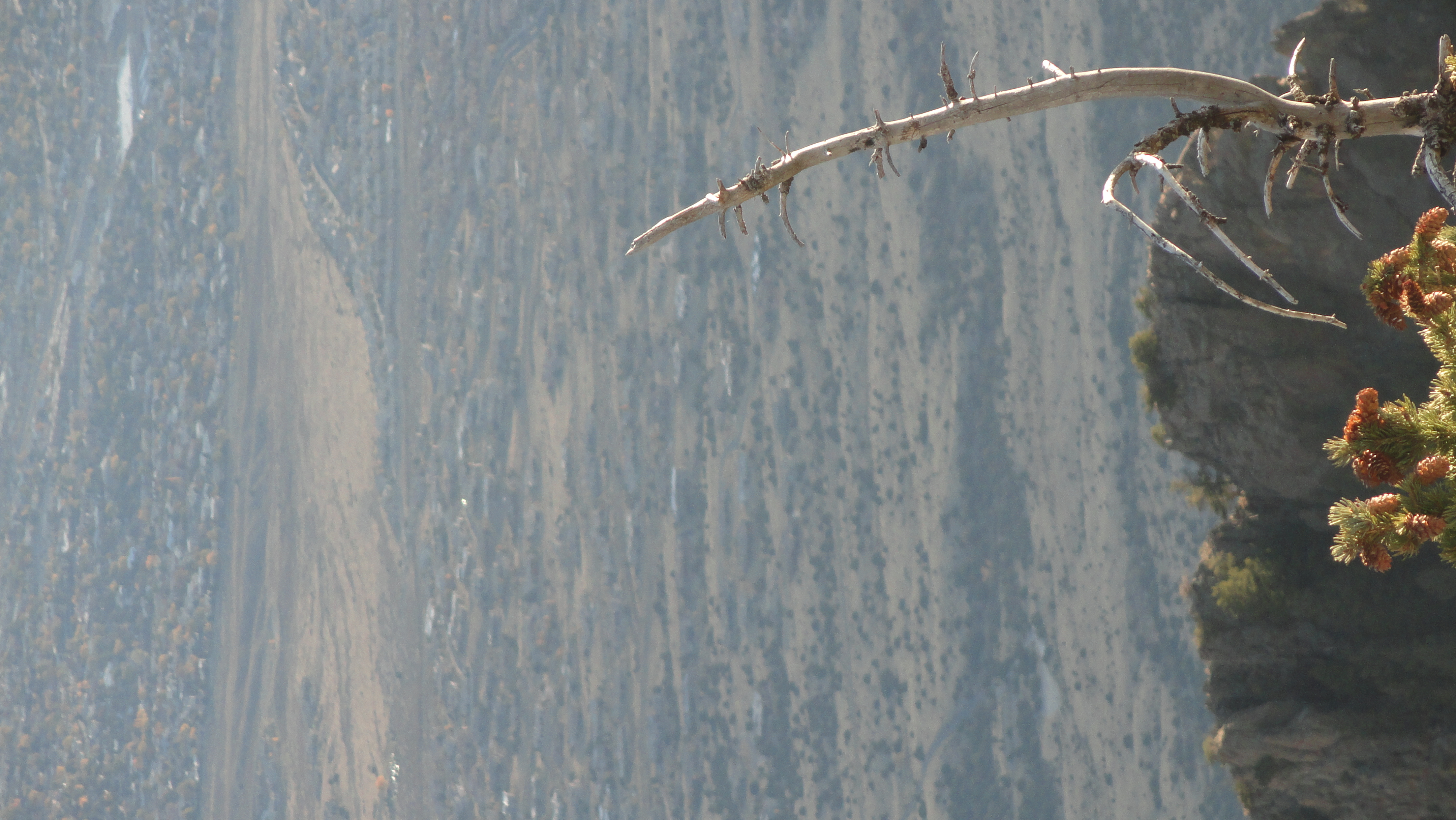
photo by Sandra Dodd

Tuesday, November 6, 2012

Breathe


People breathe all the time. People are not always conscious of it, though, and so their breathing simply keeps them alive.

Beyond basic function, there are heights of mindfulness and awareness you can reach up to with conscious breathing.

Breathe before you act. Breathe before you speak. Breathe before you play. Breathe before you work. Breathe before you sleep. Breathe when you wake up. Breathe when you think of your child.
SandraDodd.com/breathing (this quote isn't there, but more ideas are)
photo by Sandra Dodd

Monday, November 5, 2012

Unphotographable


Because the primary "method" of unschooling is living a rich life with a focus on learning and relationships, it's difficult to photograph.

I've had newspaper reporters want to come and photograph my children unschooling, at our house. I told one reporter once that if she wanted to send a photographer, my kids were at various places around town, and I named places and times for the next couple of days. The gaming shop; Kirby teaching karate; Holly playing Harry Potter at a comic book store. I told her if they came to our house what unschooling would look like was a kid on the computer, or watching TV, or playing with toys. She was certain I was missing the point of what she "needed" to have photographed.

Typical Unschooling Days
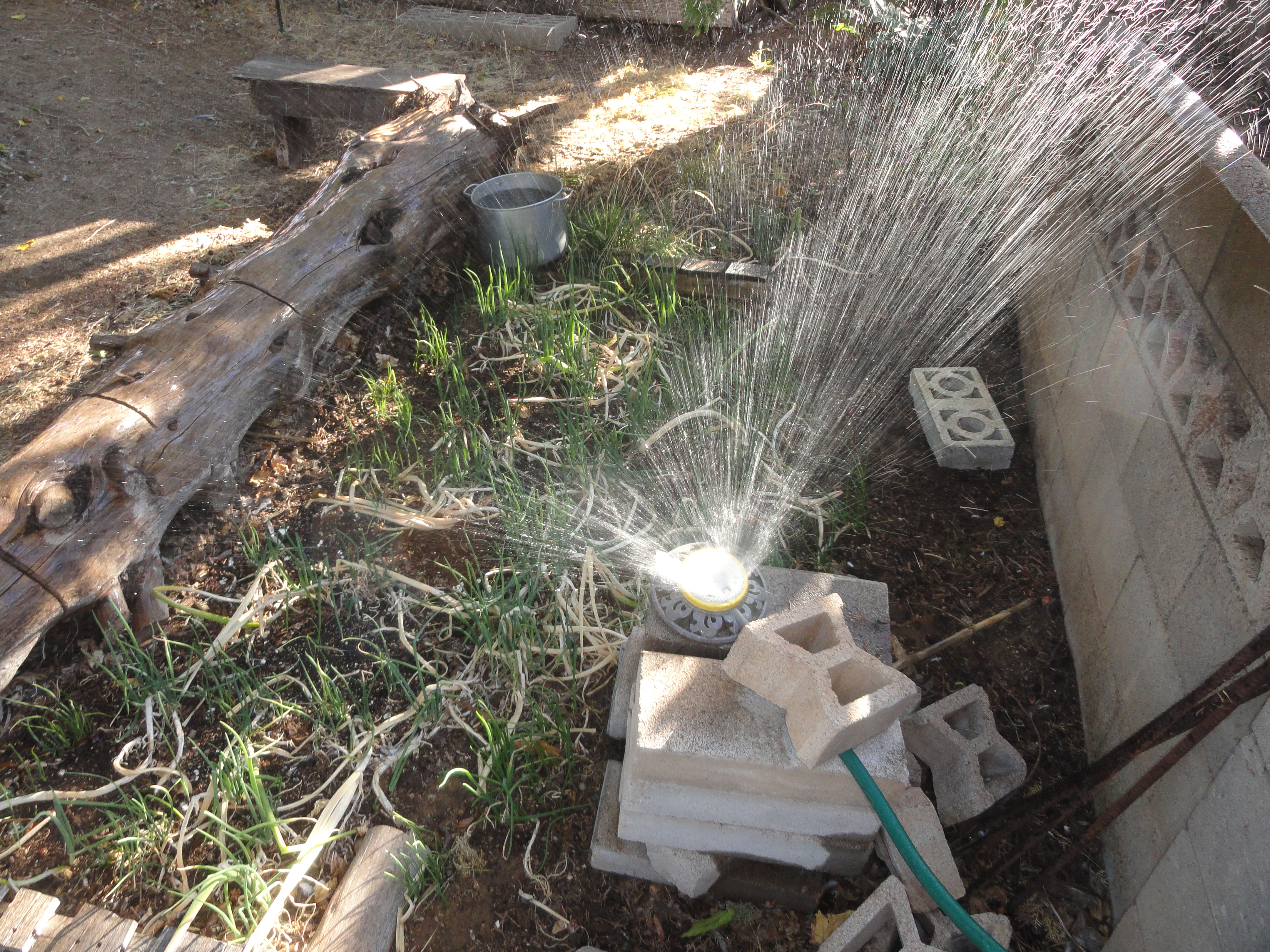
photo by Sandra Dodd, who could tell stories about that bench, that tree trunk, those onions, the way the sunlight was hitting that water, the cinderblock bricks and the fence they came off of... but the photo doesn't illustrate the history and connections and realities of the everyday objects in the picture

Sunday, November 4, 2012

Violence?


There are no "violent video games." Kids are sitting on a couch in their parents' home pushing buttons on a remote control. That's not hurting them or anyone else. (Or young adults are home sitting and pushing buttons, instead of being out drinking or vandalizing something.)

In every single case of real-life violence anyone can think of, wouldn't it have been better if the perpetrator had been home on the couch than out causing trouble? 🙂
SandraDodd.com/violence
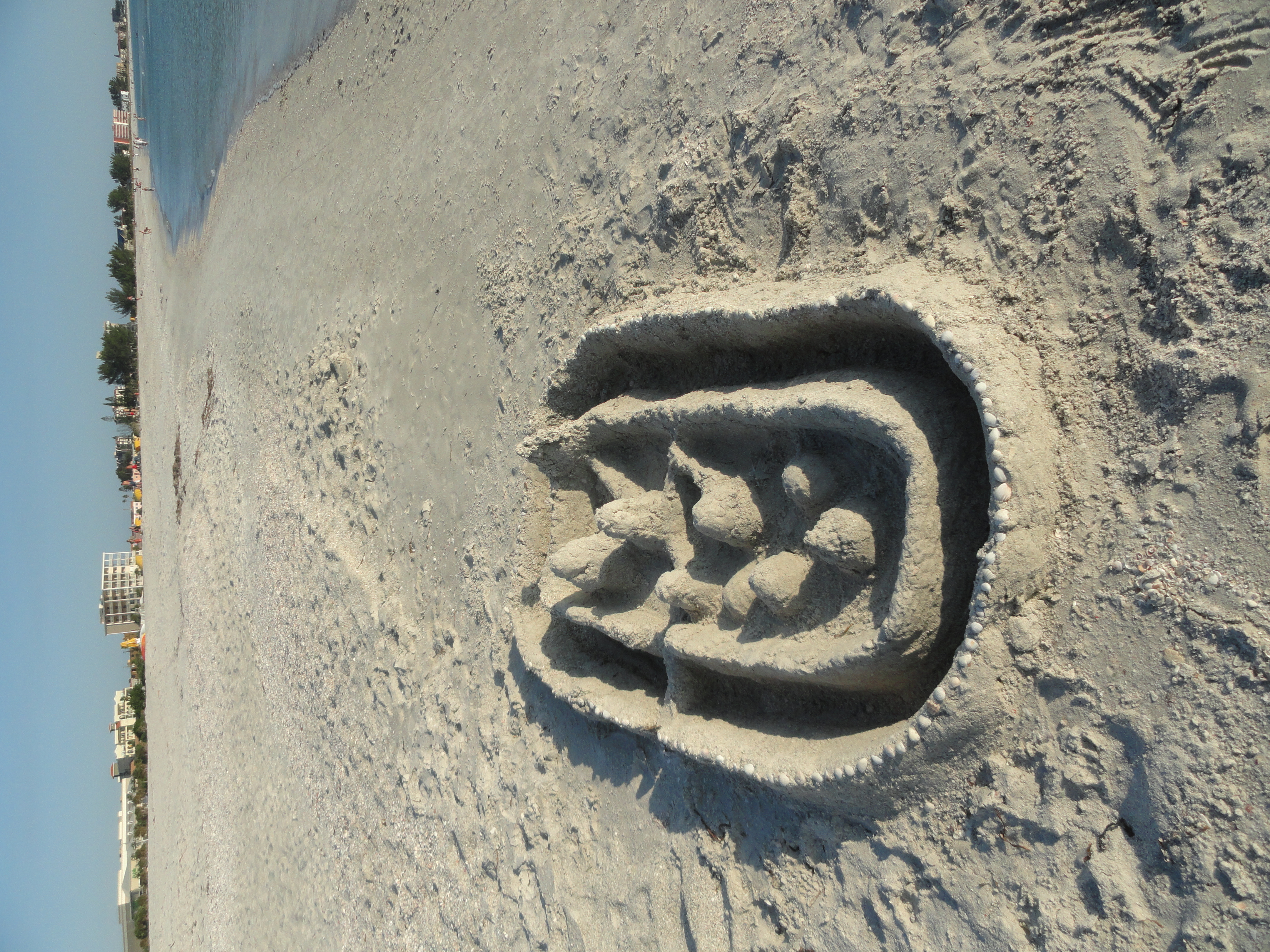
photo by Sandra Dodd

Saturday, November 3, 2012

Going backwards

"If a frustrated child is frustrating you, then find ways to eliminate things that frustrate your child."
—Jenny Cyphers


SandraDodd.com/bonding
photo by Sandra Dodd

Friday, November 2, 2012

Nurturing optimism

Pam Sorooshian, on her plans for a late-December presentation:

The one thing I've been thinking about this week is that unschooling is a profoundly optimistic decision and that it involves a huge commitment to living a very optimistic life. I'm going to talk more about what I mean by that and what happens when children grow up that way—kind of amazing.

I think it is possible that THE most significant thing unschooling does is nurture optimism.
—Pam Sorooshian


Always Learning Live Unschooling Symposium blog
photo by Sandra Dodd
__

Thursday, November 1, 2012

Supplies for play


Consider your resources and be on the lookout for more necessities like these: balls, flashlights, cloth for capes or tents (over tables or chairs or couches), containers, bathtub toys (ice is good), costumes, hats, blocks, magnets. Think of yourself, as a child, and what might have caught your attention. Provide for the child inside you and the current child, too!

SandraDodd.com/playing
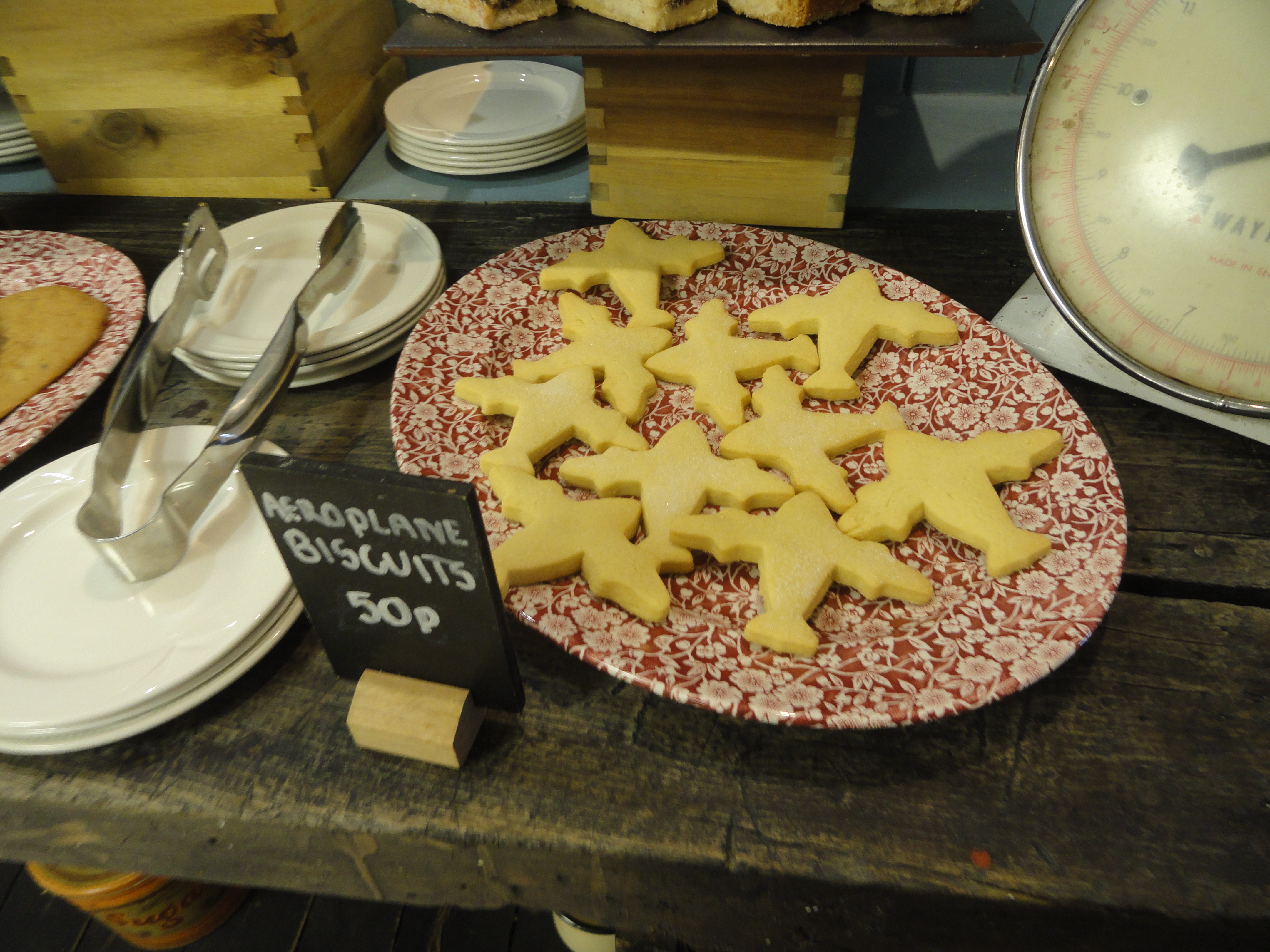
photo by Sandra Dodd, Amsterdam airport

Wednesday, October 31, 2012

Candy gets dusty


Since my kids were little they could have all the Halloween candy they wanted, and since they were little that has been no problem at all, because by the time they gave away what they didn't like and traded for favorites, and saved it and shared it with kids who came over for the next few weeks, there was still candy left. I have very often found the sorting boxes (a Xerox box lid or cardboard Coke flat) months later, and one year when it was nearly Halloween again, Kirby threw out the last of the candy from the year before. (Ditto for Christmas and Easter candy, some years.)

We were confident that it was control, not access, that made kids eat, do and want "too much" before we ever considered unschooling. Others come to the idea the other way around—unschooling first and releasing other control-urges later.

Halloween Candy and Choices, or "Candy Gets Dusty"
photo by Sandra Dodd in 2002 (click for more)
__

Tuesday, October 30, 2012

Valuing Scooby-Doo

Colleen Prieto was talking to her son Robbie, who is nine, about "Frankenstorm." Below is Colleen's account:
He thought for no more than a second, and then very excitedly told me:

"Mom, Frankenstein is not evil. People just think he's evil but he's not - he's just trying to be good even though he's failing. Even though I haven't read the book or saw the movie if they made one, I know that pretty much from Scooby Doo. So we have nothing to worry about with the hurricane if now it's Frankenstorm because Frankenstein is good. If we were supposed to be scared, then they should have picked a better name!"

Many, many times in my daily life with my son, I am reminded that there is value in so very many things—be those things Scooby Doo or Pokemon or Star Wars or Harry Potter or 1,000 other "easy to criticize" forms of media or entertainment. Life is so much more fun when you look to the happy parts, look for the good, and keep an open mind.

—Colleen Prieto
Scooby-Doo, Frankenstein, and a Big Storm
photo by Sandra Dodd

Monday, October 29, 2012

Saying "yes" to Smurfs

A mom named Sara wrote:

One episode launched a great discussion about "fairness"—whether something the Smurfs did in response to Gargamel was "fair" or not. It was a great conversation. My 8yo especially was quite animated over the whole thing, almost outraged that the "good" guys (Smurfs) were doing something she considered not good, not fair. This led my 12 year old to all kinds of questions about if the good guys do something bad to achieve a good end, is that still 'good' or not. Eventually we wound up talking about the war, Iraq, all kinds of political stuff—by then the 8 and youngers were back to watching the show, but the 12 year old is very interested in politics and world events, and it became quite a deep discussion—all from Smurfs.
—Sara

Saying Yes (again)
photo by Sandra Dodd

Sunday, October 28, 2012

Differences


It is possible that a child who reads at the age of three will be tired of reading by the age of ten. It is possible that a child who first really reads at the age of ten will become a professor of literature and a great author.

page 72 (or 79) of The Big Book of Unschooling
photo by Sandra Dodd

Saturday, October 27, 2012

Advantage

"Having parents who nurture optimism, hopefulness, and contentment gives children an extraordinary advantage in life."
—Rippy Dusseldorp


Rippy's quote in context
photo by Sandra Dodd

Friday, October 26, 2012

The family in the world


Unschooling is creating and maintaining an environment in which natural learning can thrive.

The environment isn't just the physical home. It's the relationships within the family, and their exploration of the world outside the home. The emotional environment is crucial.

Sandra Dodd, on Unschooling, at the Do Life Right Teleconference 2012
Their site is gone, but here is a video and transcript of my presentation
photo by Sandra Dodd

Thursday, October 25, 2012

See your child

See all that is good about your child.

SandraDodd.com/respect
Holly Dodd, self portrait in a gas cap

Wednesday, October 24, 2012

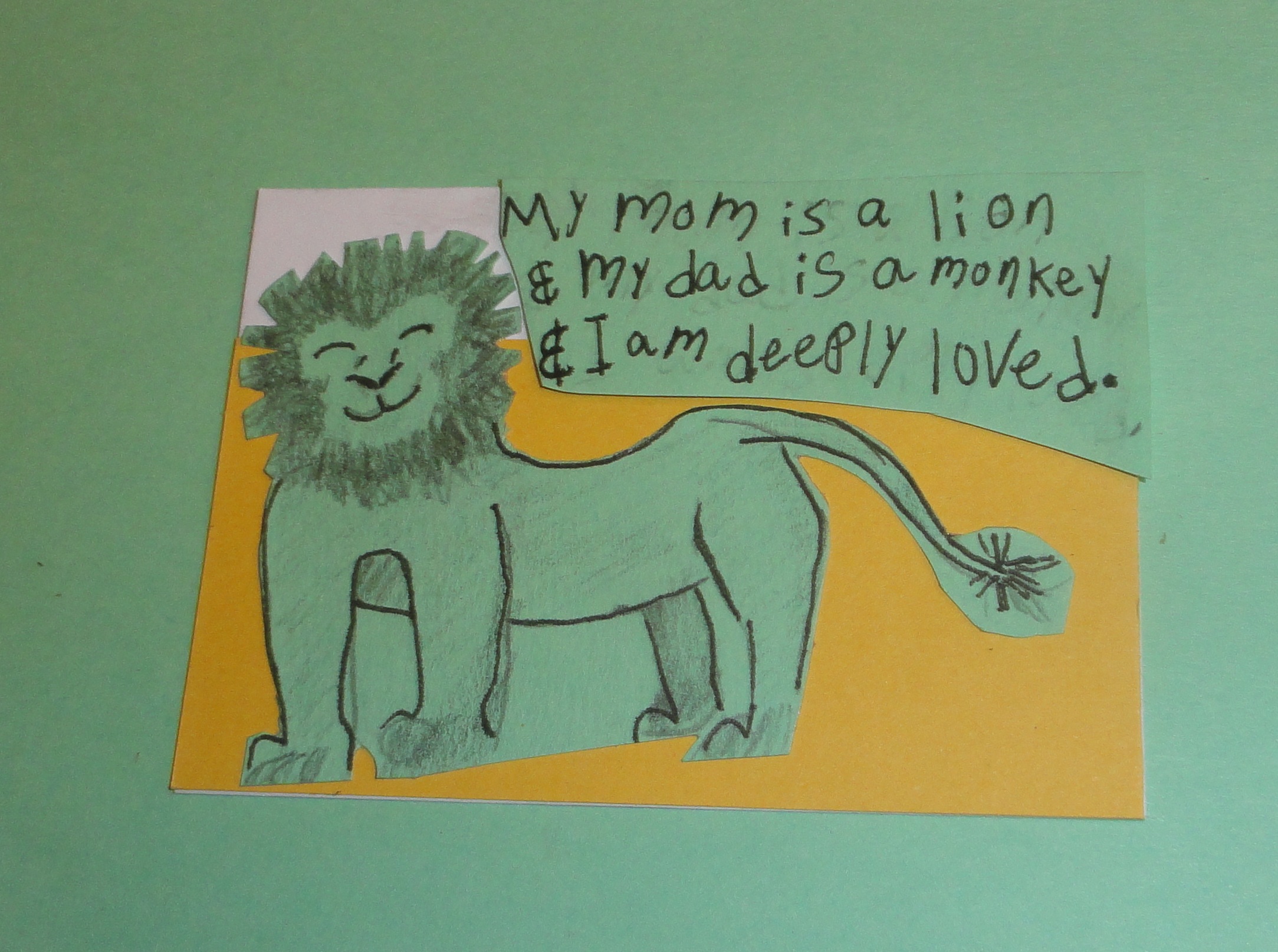
Deeply loved

The quote is from Schuyler Waynforth. The image is by Holly Dodd.

"Look for ways to connect with them. There are biological ways. Smelling their heads is amazingly connective.

"Sometimes it's hard, just staying still, just watching, just being with babies. But it won't be long..."
—Schuyler Waynforth


SandraDodd.com/bonding
Artist trading card by Holly Dodd, October 2012

Tuesday, October 23, 2012

Three children


Writing from early 2002,then 2012:

And now I have three children who are 10, 13 and 15. They have never been to school. They have never had a math lesson. But today Holly asked me to help her with 7/18 plus 5/18, for a video game she was playing. Kirby has a job and will do his income taxes soon for the second year. Marty was discussing odds and probability earlier with three other teens and his little sister.

Ten years and some later, Holly's about to turn 21, Kirby has done his taxes for years, and all three have taken math classes as young adults, for fun.

SandraDodd.com/unschoolingworks
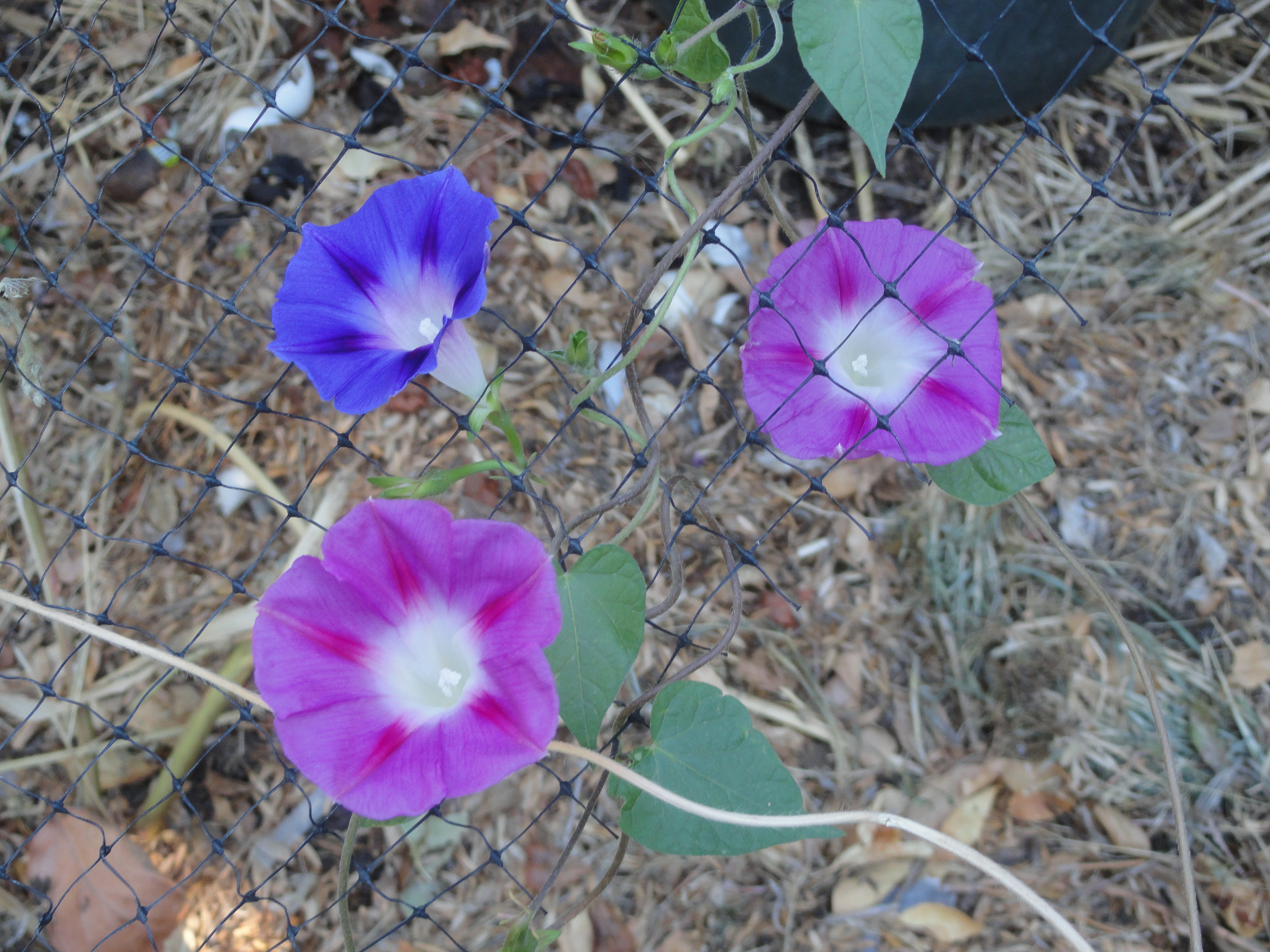
photo by Sandra Dodd, of three fleeting flowers

Monday, October 22, 2012

Skills and talents

Knowing what's good about other people doesn't need to diminish your own self confidence. It will increase it, I think, to realize that you are surrounded by others who have skills and talents you might have need of.

SandraDodd.com/humility
photo by Sandra Dodd

Sunday, October 21, 2012

Economics


Pam Sorooshian wrote:

When you only allow a limited amount of TV, then the marginal utility of a little more tv is high and every other option looks like a poor one, comparatively. Watching more TV becomes the focus of the person's thinking, since the marginal utility is so high. Relax the constraints and, after a period of adjustment and experimentation to determine accurate marginal utilities, the focus on TV will disappear and it will become just another option.
—Pam Sorooshian
from "Economics of Restricting TV Watching of Children"


SandraDodd.com/t/economics
(in French: Limiter le temps passé devant la télé – le point de vue économique )
photo by Sandra Dodd

Saturday, October 20, 2012

Meet in the moment

Here is the deal, about unschooling:

Unschooling works the same way for any child, regardless of his particulars. Each child is met in the moment by a partner interested in making his day safe and interesting and in helping him do things he might like to do. If one wants to spin around for half an hour while another wants to take a radio apart and put it back together, that's not a problem.

from The Big Book of Unschooling, page 70 (or 77), which leads to

Seeing Children Without Labels

photo by Sandra Dodd
`

Friday, October 19, 2012

Buffet in hell

There should be a special buffet in hell for parents who have personified foods and told their children that the orange juice will have its feelings hurt if the child doesn't taste it. No wonder some children lie to their parents!

From "Social Obligations and Oddities," page 168 (or 190)
of The Big Book of Unschooling
which recommends SandraDodd.com/eating/humor
photo by Sandra Dodd
__

Thursday, October 18, 2012

A mind full of possibilities


We have days full of togetherness, and a life full of peace. We live in a world full of ideas, and each has a mind full of possibilities.

SandraDodd.com/decisions
photo by Sandra Dodd

Wednesday, October 17, 2012

On the plate

Fear and food should not be served on the same plate.


Holly Dodd, from a talk for the Florida Unschooling Conference
SandraDodd.com/peace/noisy
(without that quote)

photo by Sandra Dodd

Tuesday, October 16, 2012

Gradual progress

If you decide how you want your home to be, and then make choices that get you nearer to that, things will get gradually better.

If you don't decide, or if you don't think of it many times a day when you make small choices, and decide how to act and react, then things won't get better.

Not every step will be forward, but if most of them are, then you'll make progress.
SandraDodd.com/moment
photo by Sandra Dodd

Monday, October 15, 2012

Bounty


"The more you look for bounty the more you will find it."
—Schuyler Waynforth

SandraDodd.com/schuylerwaynforth
photo by Sandra Dodd

Sunday, October 14, 2012

"What about structure?"


What about structure? People ask how, if a child is not pressed to live a structured school life, will he cope with "the real world" and its demands? One of my recent responses is here:

It doesn’t take ten years of practice for a kid to learn how to show up on time, and if they’re interested in doing something, they’ll probably get up early! All my children and very many more I’ve known have excelled in structured situations because they were there by choice and they weren’t sick to death of structure. They thought it was fun, when it was their option to be there or not.

Sandra Dodd Interview (Part II) on Rashmie Jaaju's "Mommy Labs" blog
photo by Sandra Dodd

A better partner


Because you become a better partner, that partnership works better.

SandraDodd.com/partners/child
photo by Sandra Dodd; carving by Keith Dodd

Saturday, October 13, 2012

Don't be cruel

On verbal abuse, one thing that has worked here is to remind them that it's their own reputation and self/soul that they're hurting when they're mean. If someone is cruel, it makes him a cruel person. It might hurt the other kid too, but it immediately hurts the one who was mean for meanness' sake. And it disturbs the peace of the others around them. If two kids are fighting, the third kid isn't having peace either.

SandraDodd.com/peace/fighting
photo by Sandra Dodd

(I lifted the title from an Elvis song; if you want to hear it, here y'go, and here's some history: Don't be Cruel.)

Friday, October 12, 2012

Let learning live

"I remember Sandra writing recently that if kids are interested, they're learning. I repeat that to myself, almost as a mantra. And I no longer worry that all they want to do is play."
—Genevieve Raymond
Learning to see differently
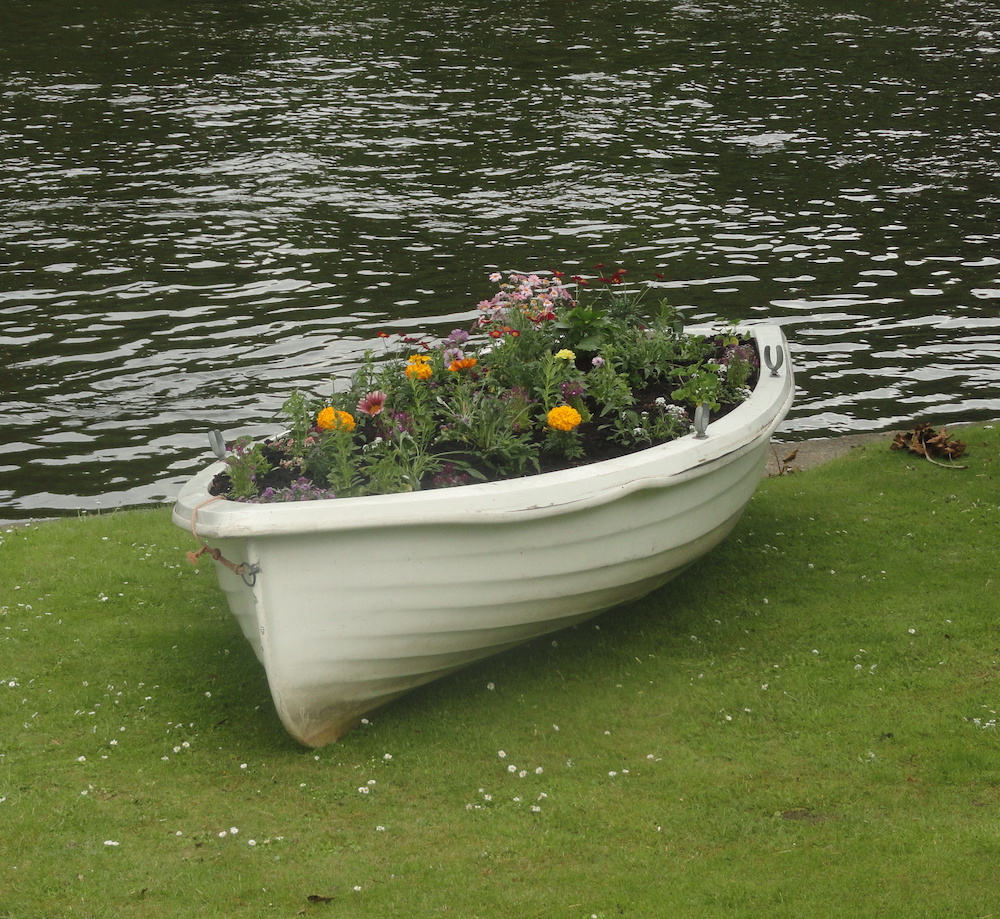
photo by Julie D

The original Julie D image disappeared, so this is a 2023 replacement, same photographer.

Thursday, October 11, 2012

The tricky part


When learning to read happens naturally, it doesn't look like school's reading lessons. It doesn't take years. It might take only days, but the tricky part is when those days will come. If you plant watermelons, picking at the leaves and threatening the vine will not get you a watermelon before one was going to naturally grow and mature. It's the same with children.

SandraDodd.com/reading
The quote is from page 86 (or 95) of The Big Book of Unschooling.
photo by Sandra Dodd

Wednesday, October 10, 2012

Happier and calmer


I think the most common changes parents have reported are that they are happier and calmer, and have become clearer in their thought processes. The "reports" I hear are often in online discussions, so that might explain the latter. When people help each other work through confusions in thinking, writing becomes clearer.

"Changes in the Parents," page 268 (or 309), The Big Book of Unschooling
which links to SandraDodd.com/change
photo by Sandra Dodd

Tuesday, October 9, 2012

Sometimes, wait.

Sometimes attending to someone means giving them space and quiet and waiting until they have rested or calmed down or thought about what they want to say before you press them to listen or speak. Inattentive parents miss those cues sometimes.

from page 65 (or 70) of The Big Book of Unschooling
photo by Sandra Dodd

Monday, October 8, 2012

The openers of doors


Robyn Coburn wrote:

The idea of Unschooling is for parents to be the facilitators of options, the openers of doors, the creators of environments of freedom, and the guardians of choice, not the installers of roadblocks and barriers. Unschoolers are making the huge and wonderful choice to renounce our legal entitlements to be the authoritarian controllers of our children's lives, and instead choose to be their partners.
—Robyn Coburn

SandraDodd.com/choice
photo by Edith Chabot

Sunday, October 7, 2012

Launched too far


With anything, if a family moves from rules (about food, freedoms, clocks, what to wear) to something new there's going to be the backlash, and thinking of catapults (or trebuchets, more technically, or of a rubber band airplane, or other crank-it-up projectile vs ...) the more pressure that's built up, the further that kid is going to launch if you let it go all at once.

SandraDodd.com/gradualchange
photo by Holly Dodd

Saturday, October 6, 2012

Understanding

Today's quote isn't simple. I threw in some italics and bold-face myself to help you read it. You can see it in a larger context, at the link below. —Sandra


Pam Sorooshian wrote:

Unschooling happily and successfully requires clear thinking. I don't think it works as well when people just look at those with young adult kids who are happy and successful and try to copy them without doing the hard thinking and building their own clear understanding of unschooling. When they try to emulate, they are still following rules—unschooling rules. Unschoolers always say yes to everything. Unschoolers never make their kids do anything. Kids always decide everything for themselves. And so on. But those "rules" are not unschooling. Unschooling well requires understanding the underlying philosophy of how children learn, and the principles that guide us in our everyday lives arise from that philosophy. It isn't some new kind of parenting technique that can be observed and applied without understanding.
—Pam Sorooshian

SandraDodd.com/understanding
photo by Sandra Dodd