With my own thoughts and actions, it's good to know when I can "pause it" if someone needs me.

photo by Crystal, Sorscha's mom, years ago,
for If you give a cat a Nintendo...,
a tongue-in-cheek directory page

Move gradually into unschooling ideas—VERY gradually if your partner isn't interested.
Until you understand it better yourself, you can't explain it to anyone. And until someone is interested, he can't hear an explanation. Same as with kids. It needs to be related to an actual curiosity or interest for it to make any sense at all.
I didn't try to explain unschooling to Doug (my husband). I did a good variety of things with Ethan, and shared the cool connections I saw happening.
For example, when Ethan drew a self portrait with three rows of three stick figures and said, "Nine Ethans! Three threes are nine," I simply shared with Doug how cool it was that Ethan discovered multiplication through drawing self portraits.
I didn't need to explain how that worked. In time, by sharing these kinds of experiences, the benefits of learning naturally became clear and cool and convincing all on their own. (I framed that drawing. It was a big a-ha moment for me too!)
SandraDodd.com/gradualchange
Original, on facebook (where not everyone goes, I know)
art by Ethan, photographed by Karen James
Periodically we evaluate how things are going.
Nothing is written in stone.
For now, this works for us.
We’ll see how things go.—Laurie Wolfrum
Partly they weren’t taught to be cold, by school prejudices.
Partly, they have had a gentle life, and they NOTICE harshness.
Being compassionate about kids' changes can help affect how
adults respond to their own and each others' needs and changes.
Today we were driving home from the library discussing what we would eat. Usually we go to a cafe after the library, but we are saving money for an aquarium visit on Wednesday so I offered to make milkshakes and cinnamon butter cookies at home, which both kids love. My six year old was enthusiastic, but then said, "I think I'm too hungry for biscuits. I'd like something more filling and not sweet." She ended up having a bowl of tuna and mayonnaise, followed by a milkshake. I am so glad she can listen to what her body needs and choose accordingly.Sandra, responding to that tuna story:
When kids don't get enough sweets, their bodies need sweets. When sweets are there, but their parents say "no," then their souls need sweets, and love, and attention, and positive regard. When sweets are treated sweetly, then children can choose tuna over sweets.
Cleaning and scrubbing can wait till tomorrowMelissa wrote:
For children grow up, we've learned to our sorrow,
So quiet down cobwebs, dust go to sleep.
I'm rocking my baby, cause babies don't keep.
When kids get sneaky, what might that signal to a parent?Joyce responded:
Don't see his behavior through adult eyes. That view casts children as the bad guys when they disobey what adults want them to do. See the behavior for what it is. He has a need. He sees you as an obstacle, as someone who not only won't help him meet his need but will probably stop him. So he's avoiding the obstacle to try to meet the need himself.
It's the essence of every story: The protagonist has a need. He finds ways around what stands between him and what he needs.
Rather than being an obstacle, be his partner in meeting his needs. Be the one keeping an eye on the needs of those around him as you find respectful, safe, doable ways for him to meet his needs. Be the one manipulating the environment so he's not in a situation he can't handle yet.—Joyce Fetteroll
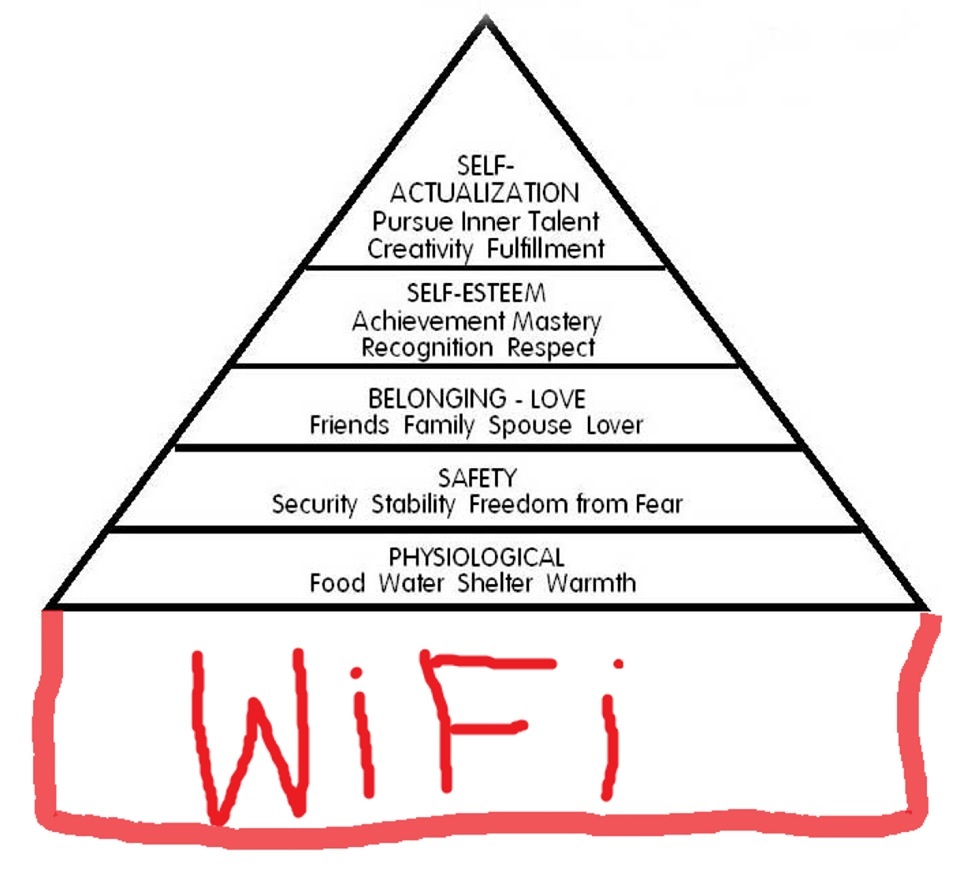
SandraDodd.com/needs

"Your child is not you"—that one stopped me cold, way back, when I was resisting, thinking it All sounded odd and crazy. It was a gigantic "well duh" moment in the best way. It was so obvious! And yet I was using my adult needs and fears waaaaay too much to make decisions about what my kids "needed" or "needed to learn".—Meredith

|
There is personal growth in quietly providing what is needed. The world is made better by those who notice and attend to needs. |