photo by Karen James


To parents I say, above all else, don't let your home become some terrible miniature copy of the school. No lesson plans! No quizzes! No tests!My definition for unschooling is "creating and maintaining an environment in which natural learning can thrive."
The hardest part for me is catching yourself in the moment and being aware enough to make the better choice that aligns with where you want to be. Luckily we have multiple opportunities daily to do so.😊Sandra D:
If you didn't "catch yourself," that was one of those "acted thoughtlessly" moments.Rachel S:
Because you switched from "me" to "yourself/you," and talked about "catching yourself," I think you're seeing it as an outside influence—part of you is catching the other part of you. That's too much work and worry!
What helped me, when I had babies, was breathing before I spoke or before I decided, and eventually, taking a breath when I felt my thoughts get zippy-fast. I didn't always do it, but increasingly, many times a day, I did. Before long it was most of the time. That was growth. That was good.
Yes I have started to try and stop and breath. It seems so foreign at times like I have to fill the space with something! The knee jerk conditioning is so strong at times but as you say it takes practice and eventually a new path will be laid. Thank you for replying. It has given me insight.


"Getting mad about the difference between teach and learn is a waste of your life."I've never been "mad" about the difference. 🙂 I've been thinking about it for longer than most people have been alive. I've read about it, I've written about it, I've helped others understand why it can matter, sometimes. It ALWAYS matters for those who want to unschool. Deschooling won't happen without stepping away from the idea of teaching, and without finding some occurrences of natural learning, picking them up and turning them over. Soon it will be easier to see and understand the kind of learning that happens lightly but deeply.
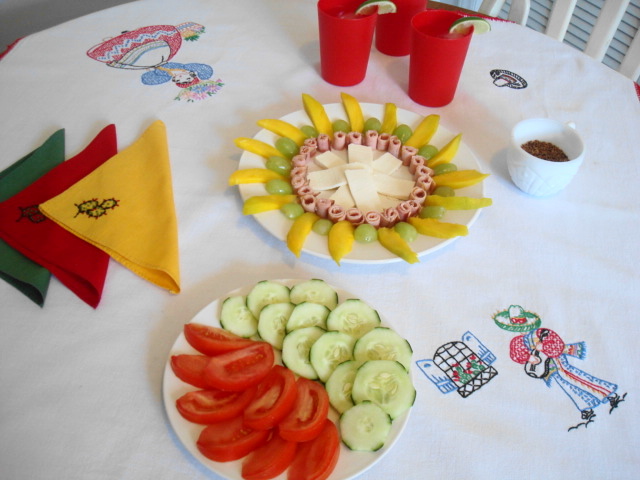
I had brought a ten-dollar bill (no wallet) I told her we'd have about six dollars left and she could get whatever she wanted with it—she wanted a pomegranate or three artichokes (neither of which we had enough money left for) I told her we could come back later with my wallet and get them or get them now skip the milk and come back later for the milk to finish our cake. She said come back later for the artichokes. When we were at the checkout I said why don't you just get a candy bar or something for the walk home she said no thanks. A mom behind me in line was shocked at the idea of a kid not wanting candy if offered said she never heard of such a thing.—Christine Macdonald
SandraDodd.com/eating/sweets
photo by Jihong Tang

Today we were driving home from the library discussing what we would eat. Usually we go to a cafe after the library, but we are saving money for an aquarium visit on Wednesday so I offered to make milkshakes and cinnamon butter cookies at home, which both kids love. My six year old was enthusiastic, but then said, "I think I'm too hungry for biscuits. I'd like something more filling and not sweet." She ended up having a bowl of tuna and mayonnaise, followed by a milkshake. I am so glad she can listen to what her body needs and choose accordingly.Sandra, responding to that tuna story:
When kids don't get enough sweets, their bodies need sweets. When sweets are there, but their parents say "no," then their souls need sweets, and love, and attention, and positive regard. When sweets are treated sweetly, then children can choose tuna over sweets.