Sunday, May 19, 2024

Holly and the Hippie Shirt


The article's real name is "Art, Aging and Spirituality— Connections between Things and Ideas." I wrote it in early 2001, when Holly was nine years old.

I will quote the end, and usher you toward the full article:
We all are preparing for our unseen futures, and I was prepared to homeschool. I am prepared to discuss the social history of the 70's musicals Holly is frolicking with now, in a shirt I made when a brand new India print bedspread could be bought by a barefooted hippie for $4. She is surprisingly prepared, at the age of nine, to understand it.
That was written for a local homeschooling newsletter, so I apologize for the neighborhood particulars. Those from Albuquerque, or who attended the University of New Mexico, might've perked up. ***

SandraDodd.com/HippieShirt
photo by Sandra Dodd

Saturday, May 18, 2024

Opportunity


I don't look at the state's requirements. I look at my child's opportunities.

SandraDodd.com/learning
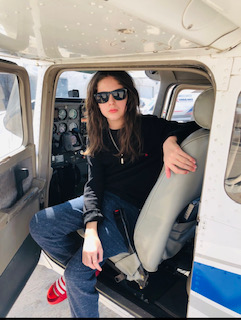
photo by Amy McDonough
Retrospective (more about the photo)

Friday, May 17, 2024

But WHY?


Knowing WHY you want to make lunch can make all the rest of it a series of mindful choices. (Unless the "why" is a thoughtless sort of "because the clock hands pointed up".)

What and Why?
photo by Rosie Moon
___

Thursday, May 16, 2024

Improving thought


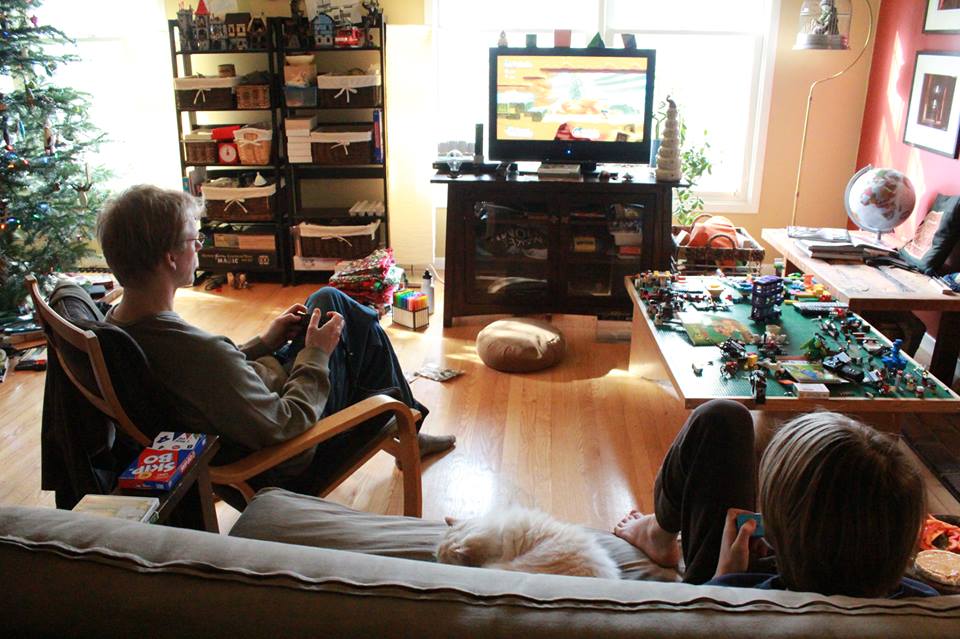
Kathy Ward had eight children, and was active in discussions years back. At first she rejected video games, but changed her mind. This is part of something longer:

Everyone agreed that [Tetris] was a great game for developing and improving mathematical thinking. The puzzles require some thinking about patterns and ability to recognize and recall geometric designs. Even the little kids enjoy it. I don't know why a parent would love to see a child spend an hour at a time figuring out puzzles like this in a workbook or on paper but be dismayed that the same child was doing this on a computer or a video game system. In fact, the whole thing is more challenging on the game system because it moves and changes, it's more interactive than geometric puzzles on a piece of paper.

When I told the older children that I was interested in putting their ideas about video games on this webpage...
—Kathy Ward
who continues that writing into other games, and benefits including problem solving, spatial reasoning, maps, graphic arts, physics of motion, vocabulary of auto mechanics, morality, military history, comparative cultures, and geography.

SandraDodd.com/kathyward/videogames
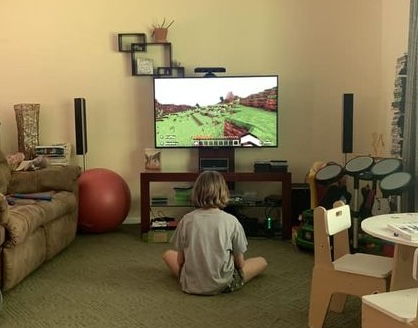
photo by Sarah Peshek

Wednesday, May 15, 2024

Ideas, terminology, and attitudes


If someone really does want to unschool, it's going to take looking at her own ideas, terminology, and attitudes really closely, to weed out that "what will screw it up" set.

SandraDodd.com/screwitup

The original quote is here:
Archive: "...on TV & junk food"
photo by Cátia Maciel

Tuesday, May 14, 2024

Right for your child


Rather than look at labels that try to pigeonhole people into being this sort of parent or that sort of parent, be the parent that is right for your child in each moment.
—Laurie Wolfrum

SandraDodd.com/parents
photo by Sandra Dodd

Monday, May 13, 2024

Freeing and joyful


When people come here and their messages are like parroted little recordings of things their teachers said, that their grandparents and in-laws say, that they read in an anti-TV book, it seems they need to peel off all the layers of recitation and people-pleasing and try to feel what they feel and decide what's freeing and joyful instead of what will shush their internal voices.

That's not easy.

SandraDodd.com/voices
photo by Denaire Nixon

Sunday, May 12, 2024

Surrounded by words


My children learned to read without being taught. If my children were the only children in the history of the world who learned without being taught, it would still be a fact that some children have learned to read without lessons—that a child can learn to read without lessons.

But my children are not the only ones. There are many. There were many even before schools existed, though it was harder without being surrounded by talking video games and movies with subtitles and printed boxes all over the kitchen, and signs on every street and building and shelf.


Always Learning post, Sandra Dodd, 2010
photo by Denaire Nixon

Saturday, May 11, 2024

Portable, cheap, long-lasting


The really good thing about happiness is that it’s portable. It’s cheap. It doesn’t need a safety deposit box or an inheritance. You can give the same amount to all your kids, and they don’t have to wait until they’re 18 to claim and use it! Think about that. They can have it right now, and start using it, without taking yours away from you.

Do kids need to have their own room to store their happiness in? No. Do kids need to wait nine weeks to get a report card that says they’re doing well in happiness? No. Will working really hard now store up happiness they can use later? That’s the going theory, the one we were raised on, but I no longer believe it.

The quote is from SandraDodd.com/president

More on happiness: SandraDodd.com/happy

photo by Cátia Maciel

Friday, May 10, 2024

Completely engaged


Stephanie E. wrote:

It came to me the other day that Jason is more engaged then if he were doing puzzles in a book or being read to. When he plays a video game, it is a whole-body experience. I can see his mind working—he is completely engaged. He is constantly strategizing, thinking about the next step, figuring out how to solve the next level, experimenting with options. He is also very active—jumping up and down, yelling, running in to show me his latest accomplishment.
—Stephanie E.

GameCube and Little Boys
photo by Karen James

Thursday, May 9, 2024

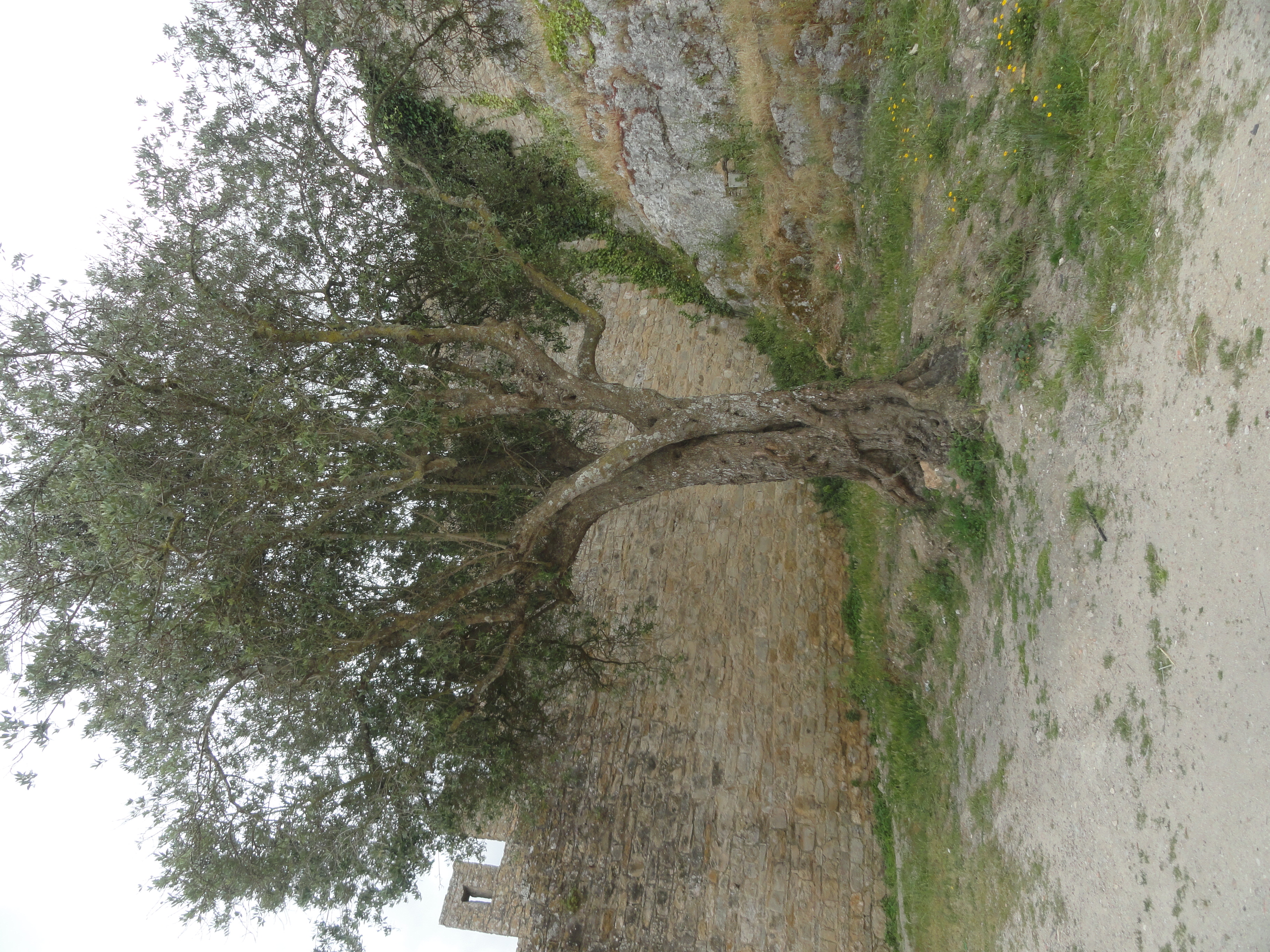
The roots of a belief...


From my notes for a 2012 conference presentation on "Why Radical Unschooling?":

So the history of "radical unschooling" came from someone saying "Well we're not that radical," and me saying "well I am."

Radical
radical in surfer lingo has to do with extreme.
Politically, extreme from a grassROOTs movement.
radius
radish
From the roots to the tips
from the roots of hair to the tips
or the roots of a tree to the end of each leaf
or from the roots of a belief to the end of each action.

SandraDodd.com/hsc/radical
photo by Sandra Dodd, in Óbidos

Wednesday, May 8, 2024

Light and playful


Some people think of play as frolicking, or as make-believe, but it can be a pervasive mood and include the way people bring groceries in, and watch movies, and sort laundry and sing in the shower.

A light and playful attitude changes everything.


"Mindful Parenting" - Ren Allen with Sandra Dodd
(written exchange in advance of a conference presentation; sound file there)
photo by Sadie Bugni

Tuesday, May 7, 2024

If everything counts...


So what IS trivia, then? For school kids, trivia is (by definition) a waste of time. It’s something that will not be on the test. It’s “extra” stuff. For unschoolers, though, in the wide new world in which EVERYTHING counts, there can be no trivia in that sense.

SandraDodd.com/trivia

The quote is from
Textbooks for Unschoolers
or
Triviality


photo by Sandra Dodd
Monday, May 6, 2024

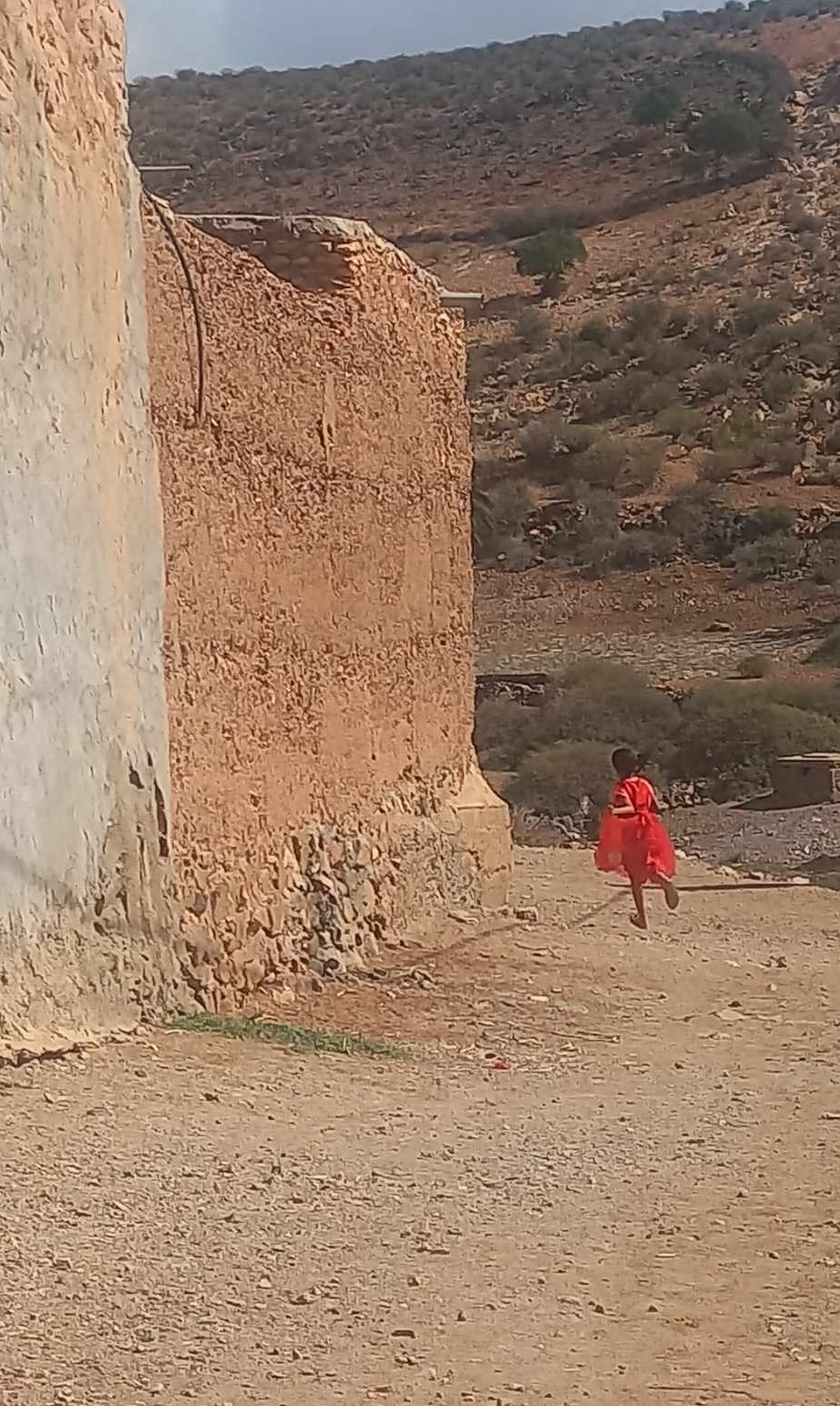
Criss-cross trails


Do the best you can to survive the bumps and unexpected turns of the trails through the unschooling world, which will necessarily cross back over and through themselves, which is how learning works–a little now, a little more later to connect to what you've learned since, and detours that end up being short cuts.

The quote is from page 3 or 4 of The Big Book of Unschooling.
photo by Sandra Dodd
__


YESTERDAY'S LINK: SandraDodd.com/socialization

Sunday, May 5, 2024

"What about socialization?"

Sometimes when people ask “What about socialization?” I say "What do you mean?"

And I wait patiently for them to think of a response.

Usually the question is asked by rote, the same way adults ask stranger-children "Where do you go to school?" Most people just blink and stammer, because they don't even know what they meant when they asked it.


SandraDodd.com/socialization
photo by Sandra Dodd
___

Saturday, May 4, 2024

Rest, recovery, and plenty of time


Rippy Dusseldorp, for still-new unschoolers:

For your family, the most important thing now is to deschool. Avoid anything schoolish, unless your children really want to use those types of resources. This is their rest and recovery time from their years of schooling. It's important not to rush them and to give yourself plenty of time to deschool as well.
—Rippy Dusseldorp

slightly edited from SandraDodd.com/response
photo by Colleen Prieto

Friday, May 3, 2024

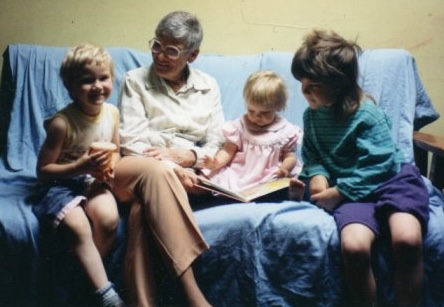
Helping grandparents


Meredith wrote something in April 2011 about what the grandparents want...

It's helpful to keep in mind that one of the big things grandparents want is a sense of connection with their grandchildren. When kids aren't in school, that can feel awkward - what the heck do you say to a child other than "what are you doing in school?" Especially if you only see him twice a year? It can leave extended family members stymied. So it helps a whoooole lot to feed them useful information and conversation starters in the form of something grandparents usually like anyway - pictures and stories of their grandkids. Keeping a blog or sending regular notes (via facebook or plain old snail mail) goes a long way in that regard. And! they get to see their beloved grandchildren happy and adventurous, which can help to reassure them on that score.

Unschooling can come across as some kind of weird cult if you try to explain it from a theoretical side first. Start with happy kids living rich, full lives and school starts to seem less of an issue.
—Meredith Novak

"How do you respond to family members?"
photo by Sandra Dodd, of Dodd kids and paternal grandmother, early 1990s

Thursday, May 2, 2024

Scattering to learn


Part of a 2004 description of our unschooling home, when three kids and their friends were here:

They come here and we’re working a puzzle or building something and they’ll get into that, too. It’s fun. We do things that are just fun. You can hardly walk by without picking it up and messing with it, too.

Sometimes, someone—my husband and one of the kids—will be doing something in one room and in the next room, some other friends are over and they are playing a video game and in another room or outside, another kid and somebody else are doing something else.

That also is the idea of the open classroom. Their ideal was not to be sitting at desks reading but to sit in a soft place, in a dark place, in a private place or wherever you wanted to, to read. So they tried to have interesting places where kids could get away from the other kids.


Sound file and transcript, of "Improving Unschooling" interview:
SandraDodd.com/radiotranscript
photo by Destiny Dodd, of Kirby Dodd and their daughter, Kirby Dodd.

Wednesday, May 1, 2024

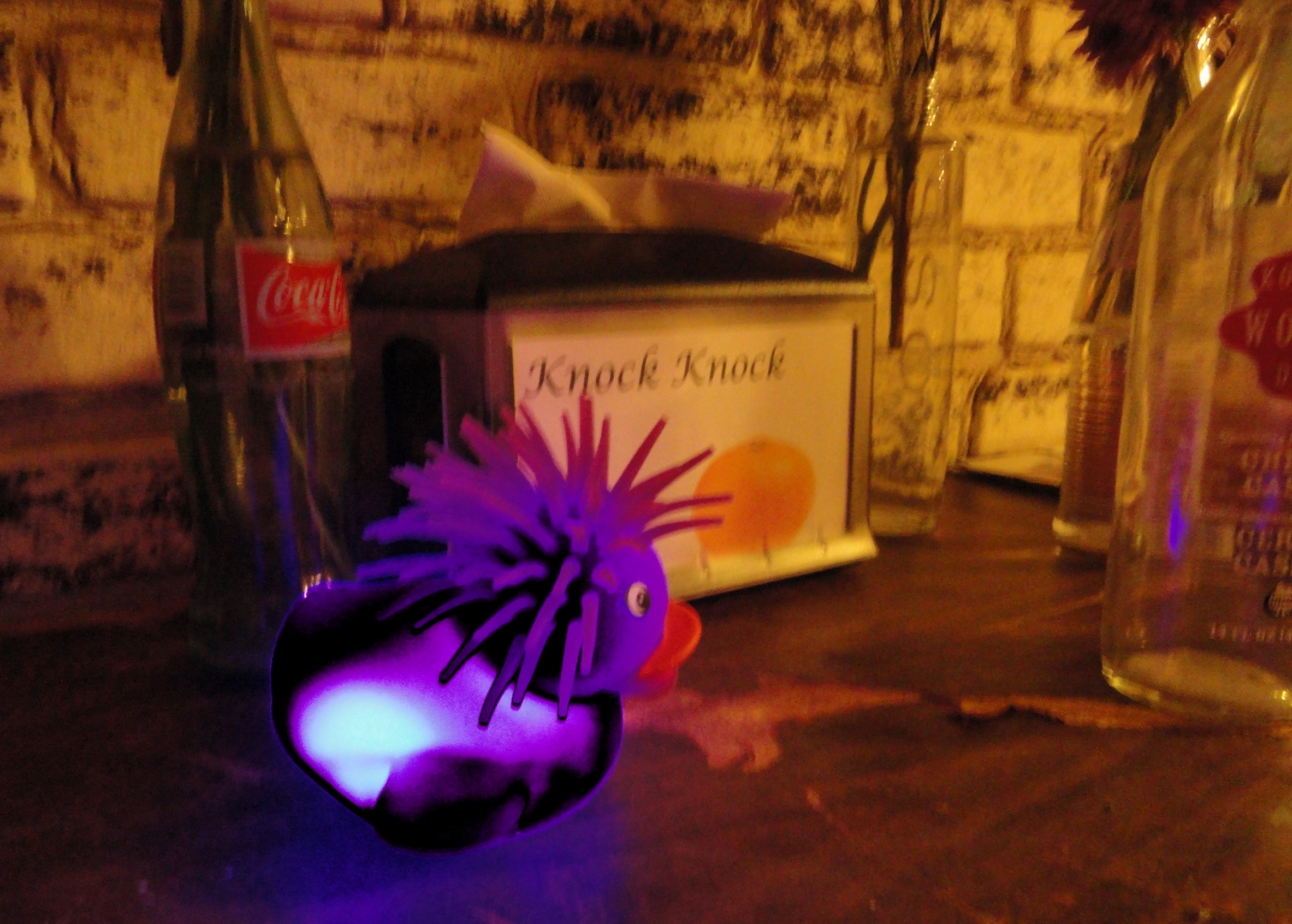
Principles instead of rules

The idea of living by principles has come up before and will come up again. When I first started playing with the idea, in preparation for a conference presentation, I was having a hard time getting even my husband and best friends to understand it. Really bright people local to me, parents, looked at me blankly and said "principles are just another word for rules."

I was determined to figure out how to explain it, but it's still not simple to describe or to accept, and I think it's because our culture is filled with rules, and has little respect for the idea of "principles." It seems moralistic or spiritual to talk about a person's principles, or sometimes people who don't see it that way will still fear it's about to get philosophical and beyond their interest or ability.

Rules are things like "Never hit the dog," and "Don't talk to strangers."

Principles are more like "Being gentle to the dog is good for the dog and good for you too," or "People you don't know could be dangerous." They are not "what to do." They are "how do you decide?" and "why?" in the realm of thought and decision making.

The answer to most questions is "it depends."

What it depends on often has to do with principles.

from page 42 (or 46) of The Big Book of Unschooling
photo by Sandra Dodd
Principles

Tuesday, April 30, 2024

Leaping and dancing


It's bad to make a religion of unschooling.

It's good to see all the logic and practicality in it, and to incorporate things gradually until the awkward first steps turn to confident strides and then to leaping and dancing in the dark.

SandraDodd.com/gradualchange

Happy Logic
photo by Sandra Dodd
Monday, April 29, 2024

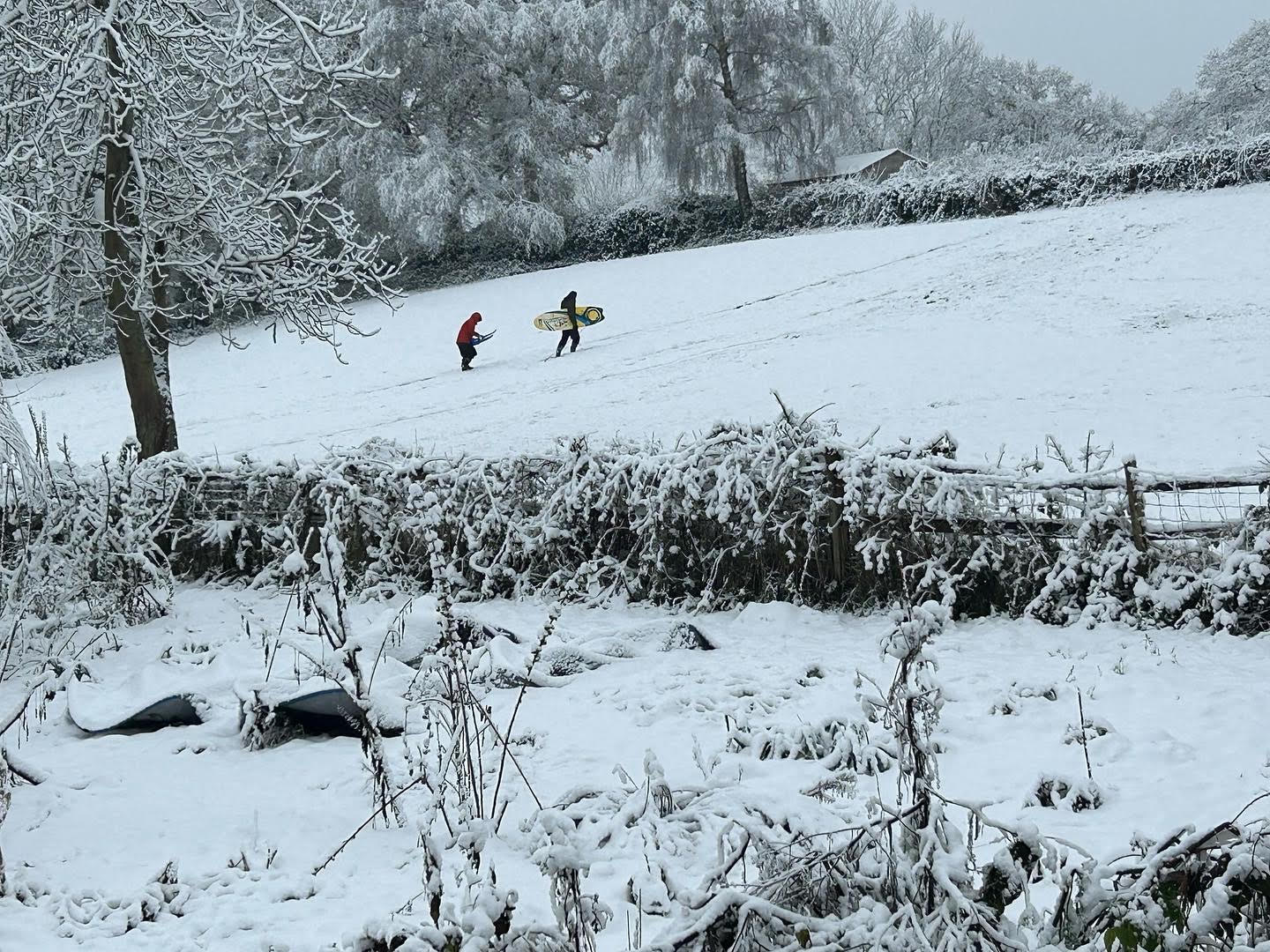
Avoiding frustration


Pam Sorooshian wrote, of soothing a frustrated child:

YOU have to figure this out—you are like a detective in a way, or a psychiatrist, trying to understand what your own child is like based on all the clues/evidence. You come to understand how she is experiencing the world, and then you try to support her in ways that work best for her.
—Pam Sorooshian

SandraDodd.com/pam/soothing
photo by Cátia Maciel

Sunday, April 28, 2024

Quietly alert


If you can choose to be more aware over less aware, that will help.

One aspect of awareness is working on your ability to be quietly alert, like a mother hawk, aware of the location of your child, her mood and your surroundings.

A Loud Peaceful Home
photo by Karen James

Saturday, April 27, 2024

Learning how to make decisions


Joyce Fetteroll wrote:

Some people, such as those who are naturally drawn to rules, who live under limitations accept the rules and stick to them. They live in fear and the rules are like talismans that will keep the boogeyman away. What happens when they are faced with new situations that they don't have rules in place for? People often extrapolate from the nonsense and extend the rules. But rational thought would reveal shoddy foundations for decision making.

If the reasons behind rules make sense, then there isn't a reason to make a rule. But people who follow rules aren't learning how to make decisions. They are only learning to follow someone else's rules.

If the reasons behind rules are nonsense, then people memorize nonsense and use that as a foundation for decision making.

—Joyce Fetteroll

SandraDodd.com/joyce/logic
photo by Sandra Dodd
Friday, April 26, 2024

Special ideas


Deb Lewis wrote:

When you have snow, or can get to snow, snowshoeing is wonderful because you don't need any special skills to strap on the shoes and go have fun. Rental isn't expensive and most places offer group rates if you ever get together with others for the day. We went snowshoeing on Christmas day... Wonderful!

Don't be afraid to tell rental places you're looking for the best price. Tell them you're homeschoolers, ask for a discount. You'll be surprised how well it works.
—Deb Lewis

Sandra, adding...

I LOVE ideas and advice that are regional and seasonal. Deb lives in Montana. It will be summer soon, there.

Other unschoolers might live where there are ZERO snowshoe rentals, ever. But what else might they have that Montana doesn't?

Frolic in thoughts and ideas, and maybe in snowshoes.

Deb Lewis's List of Things to do in the Winter
photo by Janine Davies

Thursday, April 25, 2024

Really very peaceful


Sandra, March 2008:

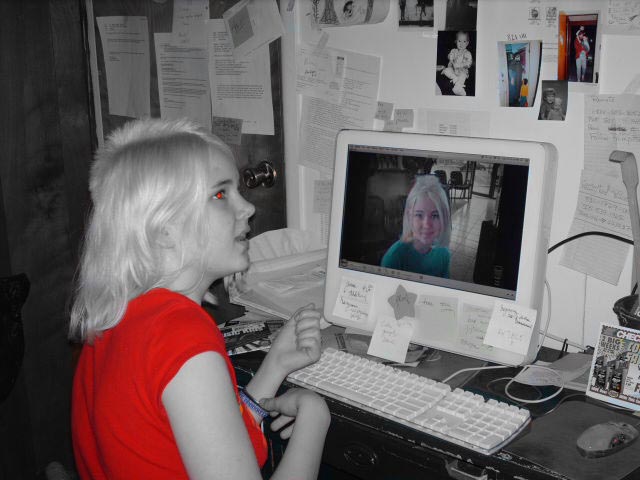
All my kids have TVs in their rooms. No... Holly took hers out when the VHS player broke, and it's in a corner in the front room now, unused. She has a computer. So do the other two kids, just since last year for the younger two.

Hours, whole days go by with those rooms quiet, with one of the kids in there drawing or listening to music at the most, or playing with lego while a familiar movie is on, and they'll look up at their favorite parts, maybe.

Our house is really very peaceful. A house full of "no" can't begin to be this peaceful.


Principles of Unschooling?
photo by Holly Dodd, with a timer and then photoshop
(sitting at my computer, not hers, that day)

Wednesday, April 24, 2024

Sometime I go EEEEEk.


EEEEEk.
What gets me more than the casual acceptance and recommendation of arbitrary limitations is the characterization of allowing children choices as "plonking a 3, 4, 5, 10 year old in front of the television/google."

Can you imagine ANYone "plonking" a ten year old in front of google? And what? Demanding he look something up? But I have seen kids that young have a BLAST with google and other search functions, about games, or YouTube, or NetFlix.

If they can look up game hints at ten, they will be able to look up building codes or disease treatments or various translations of Bible passages on their own anytime thereafter, given resources. Practicing on something that might seem "loose, easy and unnecessary" can *BE* what is needed for them to be competent, functional workers when they're older. And I won't say "when they're grown," because my kids were competent functional workers when they were mid-teens, every single one of them.

So when people who haven't had a child who is mid-teens disparages my knowledge in light of their paranoid theories, sometimes I go EEEEEk.

Sandra
2011

Plonking a child down in front of the television
is where I found it, but the original is here:
on Always Learning,
wherein the rant is all one paragraph.

photo by Sandra Dodd, of a granddaughter playing a game, a husband reading the news, and the TV was playing "Pupstruction" for another grandchild not appearing in that photo

Tuesday, April 23, 2024

Planning, resources and intention


Sylvia Woodman wrote:

Unschooling is not "doing nothing." It takes planning, and resources, and intention. I think it felt more like work in the earlier years while I was still doing the bulk of my Deschooling. (Don't get me wrong there are still things that "catch me by surprise" in my thinking even now! But it's not as constant.) But at some point, there was a shift. A Leveling Up. Unschooling became less of the way we were educating the children and more of the way we lived our lives. It wasn't one thing that we did. It was a million tiny choices (and not so tiny choices) that led us to where we are today.
—Sylvia Woodman

SandraDodd.com/doitwell

and the quote is also at SandraDodd.com/levelup/
photo by Jo Isaac

Monday, April 22, 2024

Exuberant learning


Karen James wrote:

When Ethan was around three. I left the room very briefly to answer the phone. We had been drawing. As I was talking I heard, "Circles. Circles." I came out to see what he was doing to find him drawing big circles on a freshly painted wall. His circles I could paint over at any time. I still had lots of that colour of paint. That pride at drawing big beautiful shapes I could never recapture at any cost if I had have chosen to scold him. He turned to me all smiles. He had discovered circles. I had rediscovered what exuberant learning looked like.
—Karen James


SandraDodd.com/art/stories
photo by Karen James
with different circle; the story of that art is also at the art/stories page

Sunday, April 21, 2024

What is needed?


There is personal growth in quietly providing what is needed.

The world is made better by those who notice and attend to needs.


SandraDodd.com/service
photo by Gail Higgins

Saturday, April 20, 2024

Seeing the magic and the joy

Unschooling is living a rich life and letting learning drop into your lap and into your ears and mind while you laugh and listen to music and play games. Unschooling is seeing the magic in every day, and the joy in yourself and the people around you.

Unschooling and other Marvels, by Sandra Dodd
photo by Cátia Maciel

Friday, April 19, 2024

Prevent preventions


Suspicion and cynicism prevent wonder.

Unschooling requires wonder.


SandraDodd.com/wonder
photo by Chrissy Florence
___

Thursday, April 18, 2024

Spiritual growth

Where the spirituality comes in that, I think partly is the trust that your child is an organism that wants to learn—that that’s how people grow. There is physical growth that takes water food and rest, there’s mental growth which takes input—ideas, things to think about, things to try, things to touch. And then there’s spiritual growth, which takes more and more understanding—an awareness that it’s better to be sweet to other people than not, it’s better to be generous with your neighbours than hateful, better to pet your cat nicely than to throw it around.

At first it’s a practical consideration but later on, as the children are looking at the world through older eyes, they start to see that no matter whether the neighbour noticed or not, it made you a better person. No matter whether your cat would have done your stuff damage or not, it made you a better person. So I think there’s a spirituality there of respect given to the children being passed on.

Improving Unschooling
SandraDodd.com/radiotranscript
photo by Brie Jontry

Wednesday, April 17, 2024

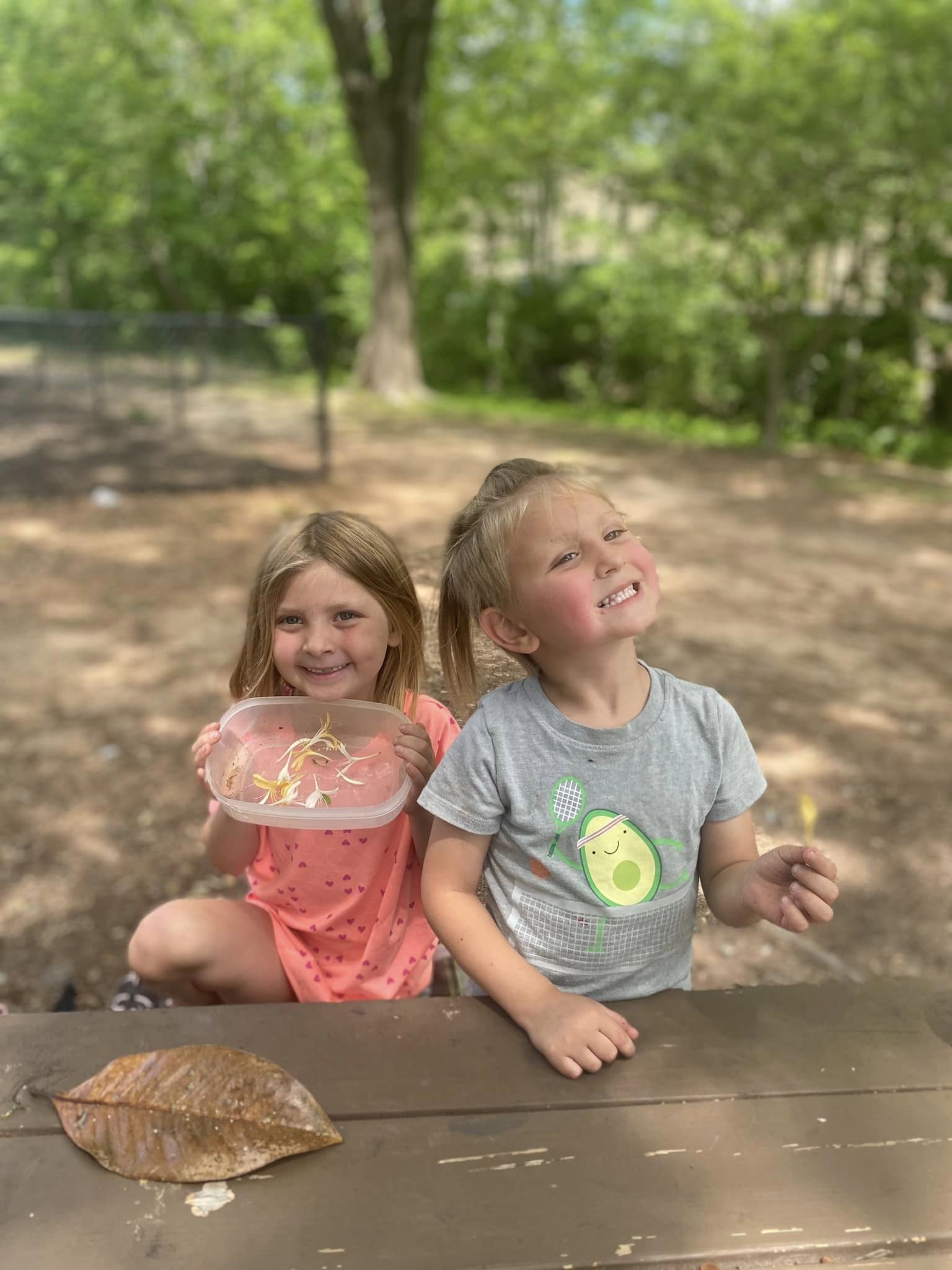
Enjoy the cool things

Nancy Wooton wrote:

Present whatever you think is cool, but *always* allow your children the freedom to say, "No thank you." Then, keep on enjoying the cool thing *for yourself.* Unschooling is for moms and dads as much as for kids!

And always remember the wisdom of Hobbes (the tiger, that is):

"If nobody makes you do it, it counts as fun."

—Nancy Wooton

SandraDodd.com/questionsNancyWooton
photo by Rippy Dusseldorp

Tuesday, April 16, 2024

Looks like playing

Joyce Fetteroll wrote:

Real learning looks very different from schoolish learning. Real learning looks like playing. Even when it matches something kids do in school (learning the names of the different clouds for instance) it still looks more like goofing around because it stops as soon as their interest is satisfied. They don't push on like they're "supposed" to. No, what they do is revisit it when the feel the need to build on it and they draw on it (though not necessarily making it obvious to us) to help them understand more of the world. *Everything* connects to everything else.
—Joyce Fetteroll

SandraDodd.com/joyce/jitters
photo by Cátia Maciel

Monday, April 15, 2024

Thought, power and freedom!


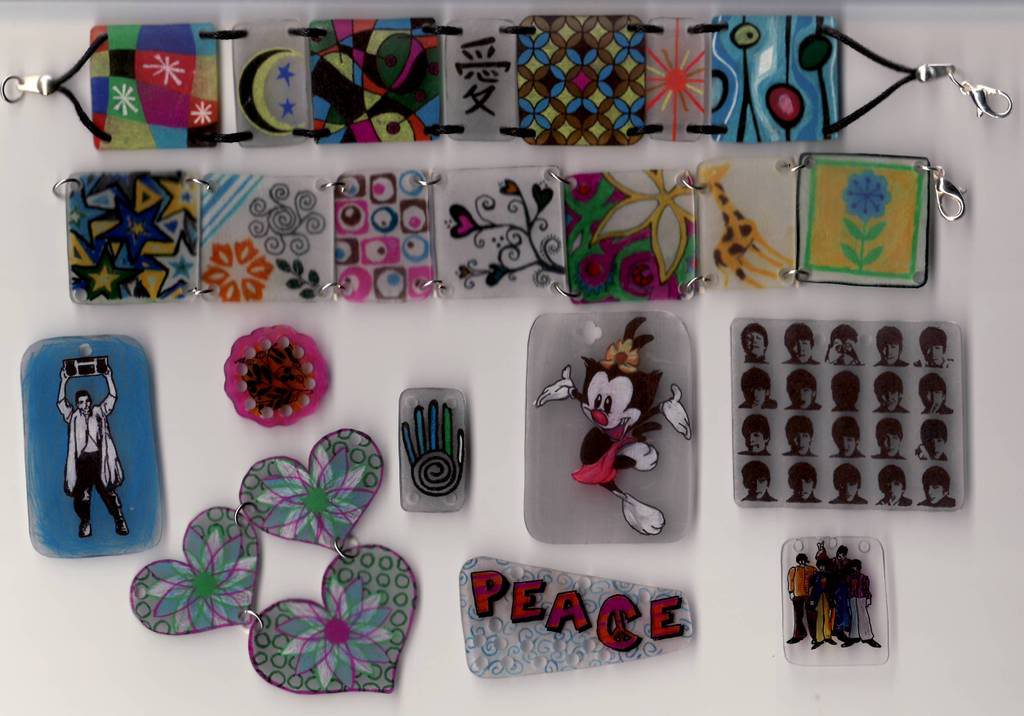
"Self control" is all tied up with being bad, and with failure. Choices, though, are wrapped in thought, power and freedom!

SandraDodd.com/self-regulation
photo by teenaged Holly Dodd,
of some of her shrinky-dink art

Sunday, April 14, 2024

The urge to control

If the "control force" is great with you, maybe use it to control your own clutter or organize your papers or rearrange your books or clothing. File your photos and negatives. Scan some stuff. Don't turn that awful control beam on people you love.

SandraDodd.com/control
photo by Sandra Dodd

__

Saturday, April 13, 2024

Less control, more learning

Some people homeschool because they think schools teach too much and aren't controlling the kids well enough. Some people homeschool because they think schools teach too little and control too much. I don't mind my kids learning things schools fear to teach, or having choices in their lives. Practicing on small things gave them knowledge and experience when they were old enough to practice on larger things. Some families homeschool to limit their children's access and freedom. For us, it's the opposite.
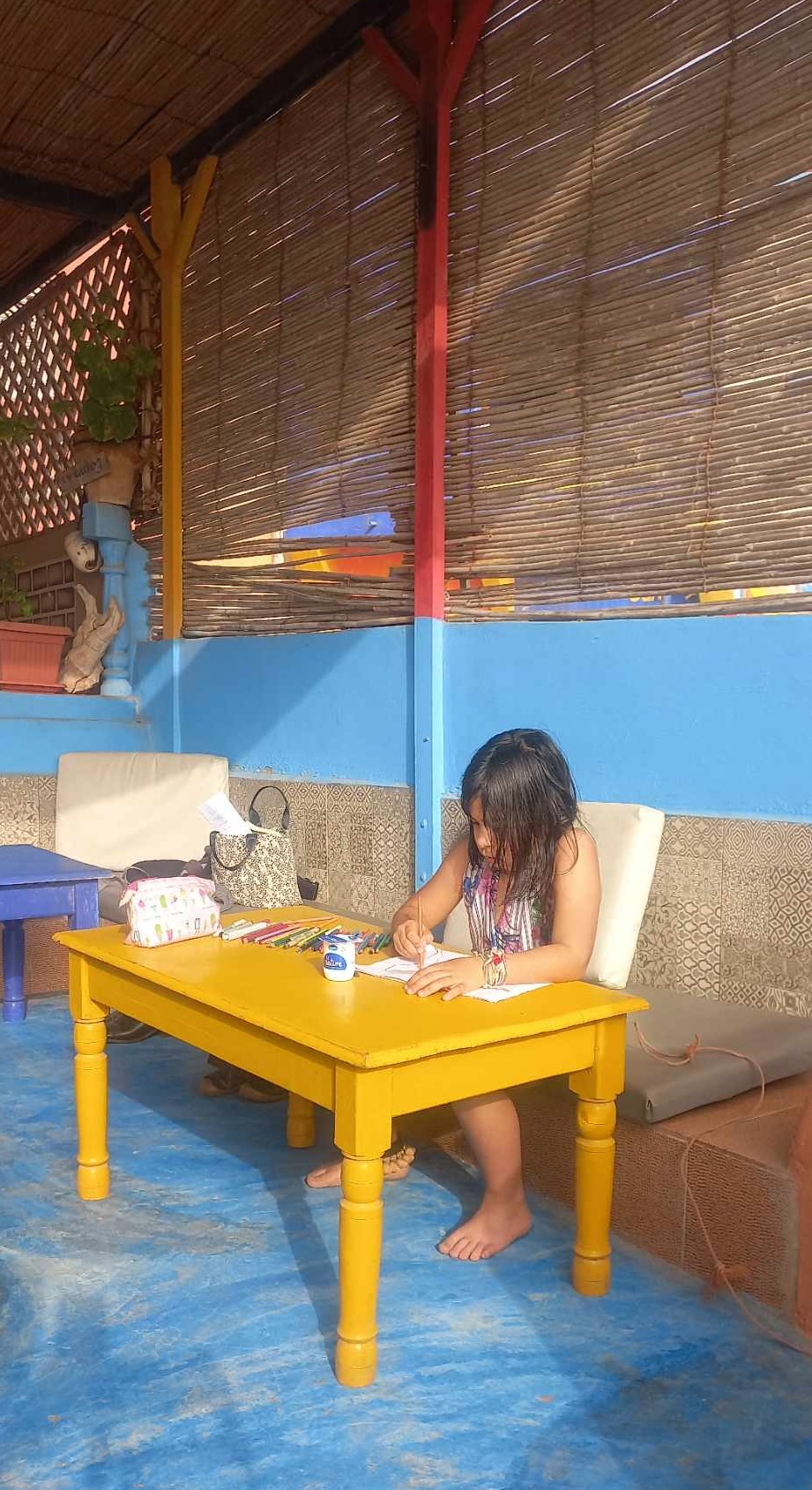
from the MomLogic interview
photo by Cathy Koetsier

Friday, April 12, 2024

Intelligent choices

Unschooling parents who have spent years giving their children freedom and options have learned that limitations create need while freedom creates intelligent choices.

SandraDodd.com/myths

SandraDodd.com/choice
photo by Cátia Maciel

Thursday, April 11, 2024

Happy and interested

Deb Lewis wrote:

If your daughter doesn't want to leave something interesting to go to the table to eat, take food to her. Sit with her and eat together.

That's the same kind of sharing you could do at a table. Food eaten in front of the TV or computer with a happy mom who is interested in you is much better than food shared in grudging silence and anger.

Wouldn't you be grateful to a friend who brought you food if you were in the middle of something important? I'm always grateful when my husband brings home a pizza or Chinese food when I'm having a really busy day.
—Deb Lewis

SandraDodd.com/deblewis
photo by a realtor, of Janine's former garden
(they've moved)