|
Why does...? Because... Who will...? I think... When did...? Let's ask... Where are...? We can look... What is...? As far as I know... Do you...? Sometimes. Can I...? Yes. |
Relationships are built of these things.
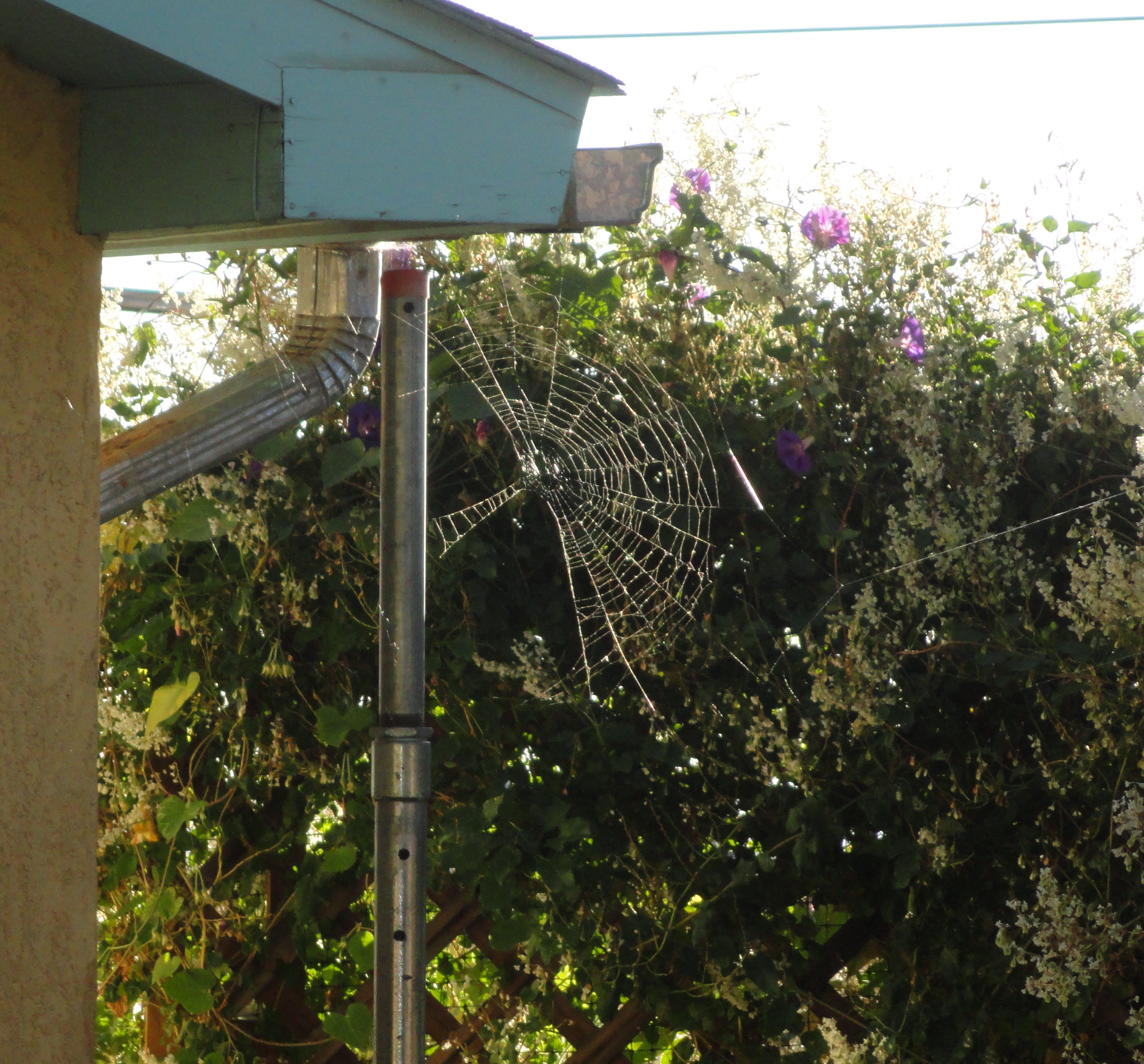
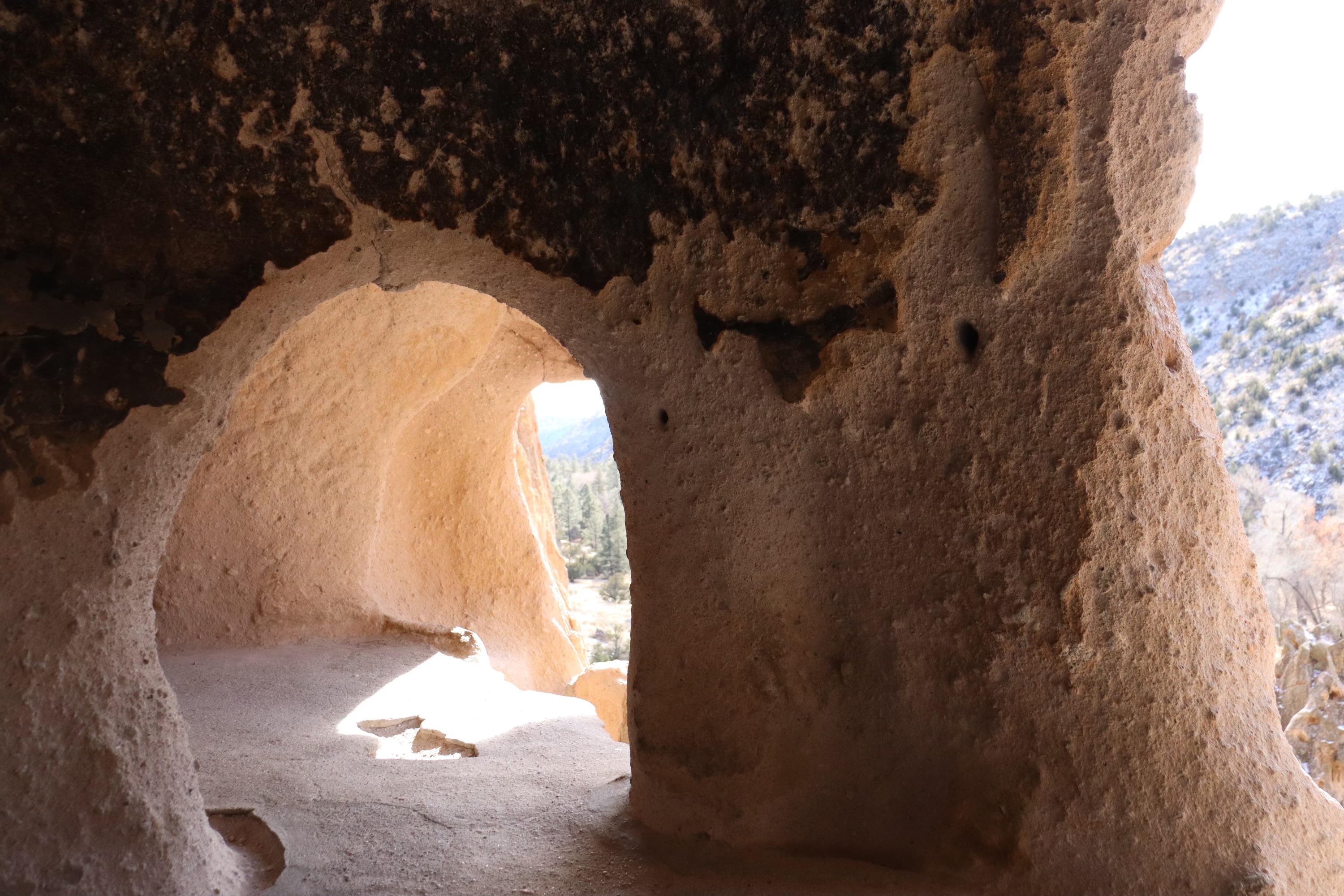
photo by Zann Carter

|
Why does...? Because... Who will...? I think... When did...? Let's ask... Where are...? We can look... What is...? As far as I know... Do you...? Sometimes. Can I...? Yes. |

At a park day, we were having a discussion about the usefulness of praise and sincerity. The unschoolers in the group were trying to point out the fallacy of over and insincere praise, and indirectly about treating your children as people first. After much talk getting nowhere, one of the other unschooling parents turned to me and in the French poodle voice started thanking me for all the things I had done for the group that day. Something like,"Oh Dan, thank you for bringing the stove for hot cocoa. You did such a good job setting it up and heating the water! You're so strong carrying that big jug of water all by yourself!" Everyone had a good laugh and the point was succinctly made."Treating them as people first." That's it. See them as people, who hear you and are thinking, and treat that respectfully. In her book Whole Child/Whole Parent, Polly Berrien Berends, uses the term "Seeing Beings."
Principles produce all kinds of answers where rules fail.Alex Polikowsky:
Some people come to unschooling and in the beginning of their journey they ditch rules but try to replace them with unschooling "rules". Replace them with principles.Michele James-Parham:
When you do, most of your questions and doubts will no longer be there.
Another common "unschooling rule" or frame of mind due to misinterpretation: We're unschoolers and don't have rules, so we don't have to follow your rules (in-laws, restaurant, museum, etc.).
Just because you allow jumping on your couch at home, doesn't mean that Grandma has to allow jumping on her couch or that the museum has to allow jumping on its couch in the lobby.
It's like "just say no."
Just say no to school years and school schedules and school expectations, school habits and fears and terminology. Just say no to separating the world into important and unimportant things, into separating knowledge into math, science, history and language arts, with music, art and "PE" set in their less important little places.
Most of unschooling has to happen inside the parents. They need to spend some time sorting out what is real from what is construct, and what occurs in nature from what only occurs in school (and then in the minds of those who were told school was real life, school was a kid's fulltime job, school was more important than anything, school would keep them from being ignorant, school would make them happy and rich and right).
It's what happens after all that school stuff is banished from your life.
To most children or people it is apparent and that is only one of MANY examples of simple things that he questions.A mom named Sandra:
If it wasn't apparent to him, so what? He asked you a question that had a simple answer. If you expect him to be other than who he is, or if you withhold simple answers, he'll learn to stop asking you. Not good.
Questions are gloriously good for unschooling. And it's possible that he understands some situations better than you do and his questions are deeper than you think they are. Try asking him a question in return. Give a simple answer and then ask a question to help him clarify what he really wants to know. It will help both of you learn to think analytically, and create a bond of inquiry and shared experience between you.
If there is more resentment and negativity than there is love and sweetness, that family is not succeeding at unschooling, in my opinion. It's not about "always" or "never." It's about preponderance.Laura Zurro:
Sandra, can you explain what you mean by calm?Sandra Dodd:
Calm is calm. Not frantic, not excited, not frightened or frightening. Calm, like water that is neither frozen nor choppy.Alex Polikowsky:
Calm is possessing the ability to think, to consider a situation without panic.
Calm is not perpetually on the edge of flipping out.
Laura, I think it is when parents can remain calm under stress. I had to work on that sometimes. My oldest used to have huge tantrums and I would lose my calm. When I learned to remain calm I was much more helpful to him.